If you own property in Wisconsin, you might worry about the government taking your land for public use. That process is called condemnation, and “quick take” is a special (and faster) way it can happen. In this guide, you’ll learn exactly what Wisconsin quick take condemnation is, how it works, what your rights are, and what to do if you get a notice.
What Is Quick Take Condemnation in Wisconsin?
Let’s start with the basics. Wisconsin quick take condemnation is a legal process that allows certain government agencies to take possession of private property before the full court process is finished. Usually, this happens for public projects, like new roads, highways, or schools. The “quick take” part means the government can move forward fast, sometimes before you’ve had a chance to fully negotiate or challenge the taking.
The main point of this process is to let public construction projects start without long delays. But it also means property owners must act quickly to protect their rights and make sure they get fair compensation. If you ever get a notice about quick take condemnation, it’s important to know what happens next.
How Does the Wisconsin Quick Take Eminent Domain Process Work?
The quick take process in Wisconsin is laid out in state law (specifically, Wisconsin Statutes Section 32.06). Here’s a simple breakdown of the steps:
- The government decides your property is needed for a public project.
- You should receive a formal notice of the intent to take the property.
- You’ll get an appraisal and an offer of compensation.
- If it’s a quick take, the government deposits the offered amount with the court and can take possession of your property right away.
- You can accept the offer or challenge the amount in court later.
The key difference with quick take is speed. You might only have a short window to respond. For example, if the Department of Transportation needs land for a highway, they may use quick take to avoid construction delays.
When Is Quick Take Used in Wisconsin?
Quick take isn’t used for every type of property taking. It’s typically limited to specific government projects, mainly major road and highway work. Not all state or local agencies can use it, and private companies (like utilities) usually can’t. If you’re unsure why your property is being targeted, it’s wise to ask questions and get legal advice.
What Are Your Rights During Quick Take Condemnation?
Even though the process moves quickly, you still have important rights as a property owner. Here are the main ones you should know:
- The right to fair compensation for your property (called “just compensation”).
- The right to receive a written notice and a copy of the appraisal.
- The right to challenge the compensation amount in court, even after the government takes possession.
- The right to get help from a Wisconsin taking attorney, who can guide you through every step.
It’s easy to feel overwhelmed if you get a quick take notice. But remember, you don’t have to accept the first offer, and you can still fight for a better outcome.
Common Questions About Wisconsin Quick Take Condemnation
Can I Stop the Government From Taking My Property?
In some cases, you may be able to challenge whether the taking is really for “public use” or if the process wasn’t followed correctly. However, quick take makes it hard to stop the project entirely, especially once construction begins. Most battles focus on getting the right amount of compensation.
How Is Compensation Calculated?
Compensation is supposed to reflect the fair market value of your property. The government will usually hire an appraiser. But you can get your own independent appraisal to see if their offer is fair. Sometimes, the government’s first offer is lower than what you really deserve, especially if your situation is unique or the project impacts your business.
What If I Refuse the Offer?
If you don’t agree with the government’s offer, you can reject it and take your case to court. In Wisconsin, you can still collect the deposited money while you argue for more. This helps you pay bills or relocate, even while your legal case continues.
Steps to Take If You Receive a Quick Take Notice
If you get a notice that your property is subject to Wisconsin quick take condemnation, don’t panic. Here are the steps you should take:
- Read every document carefully. Look for deadlines and details about your rights.
- Contact a Wisconsin condemnation help attorney as soon as possible. They can help you understand your options and handle communications with the government.
- Get your own appraisal. This gives you a second opinion on your property’s value.
- Don’t sign anything or accept money until you’ve talked to a lawyer. Once you accept, it can be much harder to negotiate for more.
- Keep records of everything, letters, emails, calls, and offers.
Acting quickly is key. The faster you get help, the more options you’ll have.
Why Work With a Wisconsin Taking Attorney?
You might wonder if you really need a lawyer. The truth is, quick take cases are complicated, and the government has experts on their side. An experienced attorney can explain your rights, negotiate for higher compensation, and represent you in court. They also know the ins and outs of Wisconsin condemnation law, including deadlines and paperwork.
Think of your attorney as your guide through a confusing process, someone who fights for your interests and helps you avoid costly mistakes.
Example: How Quick Take Condemnation Affects Real People
Imagine your family owns a small business on a busy road, and you get a letter saying the state plans to take part of your parking lot for a new lane. The letter says it’s a quick take, and construction starts in just a few weeks. Suddenly, you have to figure out how to keep your business running, whether the state’s offer is fair, and what your options are.
This is a stressful situation, but it’s exactly when expert help can make a difference. With the right advice, you could challenge the compensation, get paid for lost business, and even negotiate for relocation costs.
[[FEATURED_IMAGE]]
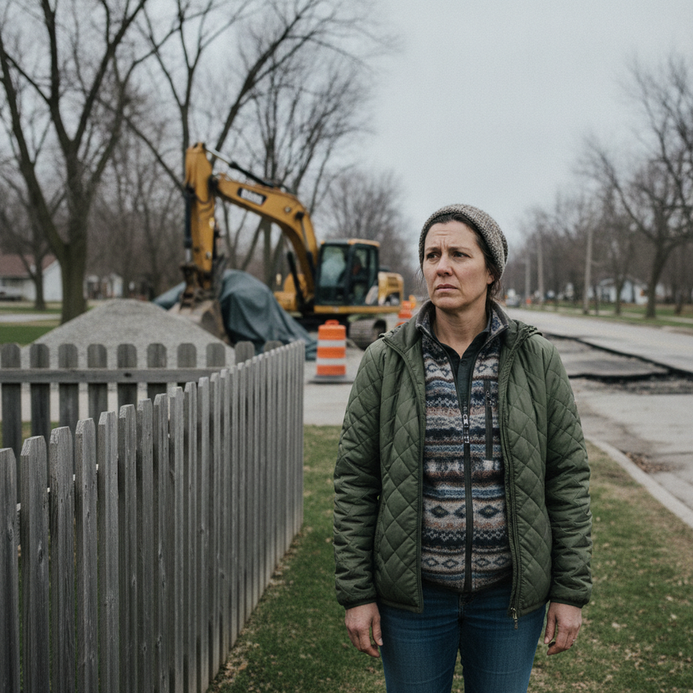
{“alt”:”A Wisconsin property owner looking at construction machinery on their land, feeling uncertain about the future. Midwest landscape, overcast sky. Photorealistic., ar 16:9, v 6″}
What to Do Next
If you’ve received a Wisconsin quick take condemnation notice, or you’re worried your property might be targeted, don’t wait. The process moves fast, but you still have rights and options. Talking to a skilled attorney can help you get fair compensation and protect your property.
Contact us to learn more.