Ever wondered what happens if the government tries to take your property in Wisconsin and you don’t agree with the compensation offered? You might end up in a Wisconsin condemnation jury trial. In this guide, you’ll learn what a condemnation jury trial is, how it works in Wisconsin, and what steps you can take to protect your rights and get the compensation you deserve.
What Is a Wisconsin Condemnation Jury Trial?
When the government wants to acquire private property for public use, like building a new road or school, it uses a legal process called eminent domain. Sometimes, property owners and the government can’t agree on how much the property is worth. That’s where a Wisconsin condemnation jury trial comes in. It’s a special type of court case where a jury decides how much money the property owner should get for their land.
Unlike most jury trials you see on TV, these trials focus just on the value of the property. There’s no debate about whether the government can take the land, that’s usually already decided. Instead, the whole point is to make sure the property owner gets fair compensation, as guaranteed by the U.S. and Wisconsin Constitutions.
When Does a Jury Trial Happen in Wisconsin Condemnation Cases?
Not every Wisconsin condemnation case ends up in a jury trial. Usually, the process starts when the government makes an offer to buy your property. If you think the offer is too low, you can negotiate. If negotiations fail, you can challenge the compensation in court.
Here’s how the process typically unfolds:
- The government makes an initial offer for your property.
- You, the property owner, can accept, negotiate, or reject the offer.
- If there’s no agreement, the government may start formal condemnation proceedings.
- You have the right to ask for a jury trial to decide the amount of compensation.
This right to a jury trial is an important protection for property owners. It gives you a chance to present evidence about your property’s true value, not just accept what the government says it’s worth.
What Happens During a Wisconsin Condemnation Jury Trial?
A Wisconsin condemnation jury trial is less about drama and more about dollars and cents. Here’s what you can expect if your case reaches this stage:
Jury Selection and Opening Statements
Like any other trial, a jury is selected. Both sides, the property owner and the government, get to pick who sits on the jury. Opening statements follow, where each side explains what they believe the property is worth and why.
Presenting Evidence
This is the heart of the trial. You and the government will each present evidence about your property’s value. This usually includes:
- Testimony from real estate appraisers
- Data on recent sales of similar properties
- Information about unique features or uses of your property
Both sides can cross-examine each other’s witnesses. This is where having an experienced Wisconsin condemnation cases attorney can make a big difference.
Jury Deliberation and Verdict
After all the evidence is in, the jury meets privately to decide what they think is fair compensation. Their decision is called a verdict. If either side disagrees with the verdict, there may be options to appeal, but the jury’s number usually stands unless there’s a clear legal error.
Why Property Owners Need Legal Help in Wisconsin Condemnation Cases
Facing the government alone in a Wisconsin condemnation jury trial can feel intimidating. The government has attorneys and experienced appraisers on its side. Having your own legal team levels the playing field.
An attorney experienced in Wisconsin condemnation cases can help by:
- Explaining your rights and the process in plain language
- Gathering strong evidence to support your property’s value
- Presenting your case clearly and persuasively to the jury
- Handling negotiations and exploring settlement options
- Guiding you through appeals if needed
Many property owners worry about legal costs. The good news is that in some Wisconsin condemnation cases, the government may be required to cover your attorney fees if you win more than the government’s offer at trial.
How to Prepare for a Wisconsin Condemnation Jury Trial
If you’re headed for a condemnation jury trial, preparation is key. Here are some practical steps you can take:
- Gather documents related to your property, like deeds, appraisals, or recent offers.
- Make a list of any improvements or unique features your property has.
- Talk to neighbors or other local property owners who have been through the process.
- Meet with a Wisconsin condemnation cases taking attorney as early as possible. They can help you understand what to expect and build a strong case.
Don’t wait until the last minute. The more prepared you are, the stronger your position will be when it’s time for trial.
Common Questions About Wisconsin Eminent Domain Jury Trials
Can I stop the government from taking my property?
Usually, if the government follows the law and has a valid public purpose, you can’t stop the taking. But you can fight for better compensation.
What if I don’t agree with the jury’s decision?
You may be able to appeal, but appeals are usually limited to legal mistakes made during the trial. Most of the time, the jury’s decision on value is final.
How long does the process take?
It varies, but Wisconsin condemnation jury trials can take several months from start to finish. Negotiations, evidence gathering, and court schedules all play a role.
What if I have a business on my property?
You may be entitled to compensation for the value of your business, relocation costs, or lost income. A knowledgeable attorney can help you figure out what you’re owed.
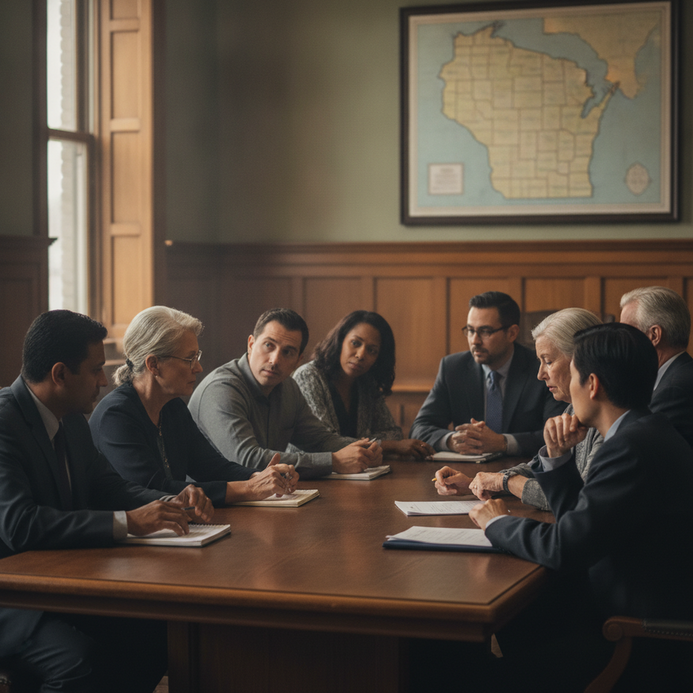
[IMAGE: A diverse group of jurors deliberating in a Wisconsin courtroom, with a map of Wisconsin visible in the background, natural lighting, realistic style.]
Conclusion: Protect Your Rights in a Wisconsin Condemnation Jury Trial
A Wisconsin condemnation jury trial puts the question of fair compensation in the hands of your neighbors, not just the government. If you’re facing condemnation, don’t go it alone. The right legal guidance can help you protect your rights and maximize your compensation.
Contact us to learn more.