If you own property in West Virginia and have heard about new utility or transmission lines coming through your area, you might be worried about what happens next. The phrase “west virginia transmission line eminent domain” gets thrown around a lot, but what does it really mean for you? In this guide, you’ll get a clear explanation of how eminent domain works for transmission lines, what your rights are, and what steps you should take if your land is at risk.
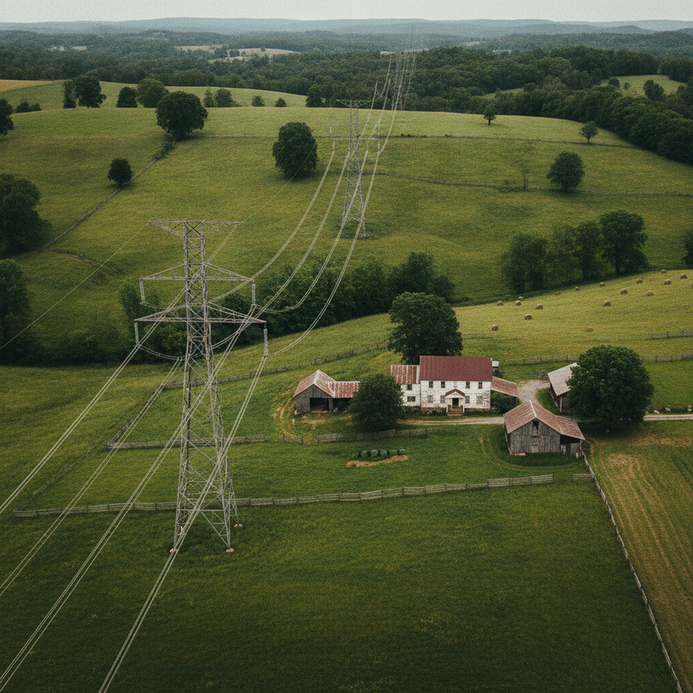
What Is Eminent Domain in West Virginia?
Eminent domain is the legal process that allows the government, or sometimes utility companies, to take private property for certain public uses. In West Virginia, this commonly happens for things like roads, pipelines, and especially transmission lines. The idea is that the project serves the greater good, but property owners must be compensated fairly.
If a utility company wants to build a new transmission line and needs to cross your property, they may use eminent domain to get access. This means you might not have a choice about giving up your land, but you do have rights. You deserve fair payment and the chance to challenge the process if you think it’s not being handled properly.
The Process of Transmission Line Takings
Step-by-Step: How It Usually Works
- The utility company identifies the route for the new transmission line.
- They contact property owners whose land is on the planned path.
- The company makes a purchase offer, usually based on an appraisal.
- If you and the company can’t agree on a price, the company may file a condemnation lawsuit in court.
- The court decides if the taking is legal and what compensation is fair.
This process is known as west virginia transmission line condemnation. It can move quickly, and you might feel pressured to accept the first offer. That’s why it’s important to know your rights early on.
Your Rights as a Property Owner
You’re not powerless just because a company or government agency wants your land. In West Virginia, you have the right to:
- Receive a written notice explaining what land is needed and why.
- Get a copy of any appraisals used to determine the offer.
- Negotiate for better compensation if you believe the offer is too low.
- Hire your own experts to assess the property’s value.
- Challenge the taking in court if you think it’s not truly for public use or if the compensation isn’t fair.
It’s also your right to have legal help. An experienced west virginia taking attorney can make sure your interests are protected throughout the process.
How Compensation Is Calculated
When your land is needed for a transmission line, the law says you must get “just compensation.” This means the amount should reflect what your property is worth on the open market, plus any loss in value to the rest of your land if only part is taken. Sometimes, things like lost business income or damage to the remainder of your property matter, too.
Ever wondered why the first offer might seem low? Utility companies often rely on their own appraisers, who may not see the full picture. You can, and should, get your own appraisal from someone who understands the real value of your property. Sometimes, negotiations lead to a better deal before court is even involved.
What to Do If You Get a Notice
If you receive a notice that your land is needed for a transmission line, take a breath before responding. Here’s what you should do next:
- Read the notice carefully. Make sure you understand what’s being asked.
- Don’t sign anything right away. Early agreements can limit your options later.
- Reach out to a legal expert who handles west virginia condemnation help. They can walk you through your options and make sure you don’t miss important deadlines.
- Consider getting your own appraisal to check the offered compensation.
- Keep records of all conversations and paperwork related to the project.
Remember, you’re not alone in this. Many property owners in West Virginia have faced similar situations, and the right guidance can make a big difference.
Why Legal Help Matters
The rules around west virginia transmission line eminent domain can be confusing. Utility companies have teams of lawyers making sure their interests are protected. Shouldn’t you have someone in your corner, too? An attorney who specializes in eminent domain knows how to spot unfair offers, push for better terms, and challenge takings that aren’t truly for public benefit.
A good lawyer will help you understand every step, from the initial notice to the last negotiation or court hearing. They can explain tricky legal terms, help gather the right documents, and fight for the compensation you deserve. Don’t wait until you’re overwhelmed, getting help early can save you time, stress, and money.
Common Questions About Transmission Line Takings
What if I refuse to sell my property?
If negotiations fail, the utility company may file a condemnation lawsuit to take the land anyway. You can still fight for fair compensation in court, but you can’t stop the project just by saying no.
How long does the process take?
It can move quickly, but court cases sometimes last several months or longer. Getting legal help early often speeds things up and protects your interests.
Does eminent domain apply to my whole property or just part of it?
Often, only a strip or section of your land is needed for the transmission line. However, if the project affects the value or use of the rest of your property, you may be owed additional compensation.
Conclusion
Dealing with west virginia transmission line eminent domain is stressful, but you don’t have to go through it alone. Understanding your rights and getting expert help can make a huge difference. Contact us to learn more.