Ever wondered what happens if the government wants to take part of your land for a new road or utility line? You might worry about more than just the land that’s taken. In West Virginia, severance damages can be a major part of the compensation you deserve. In this guide, you’ll learn exactly what west virginia severance damages are, how they’re calculated, and what steps you can take to ensure you’re treated fairly if your property is impacted by eminent domain.
What Are Severance Damages in West Virginia?
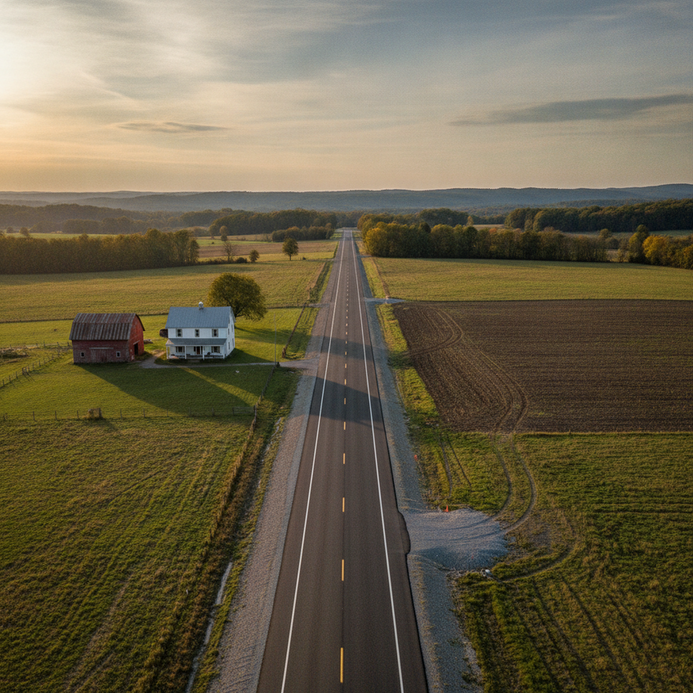
When the government or another authorized group takes a piece of your property for public use, you’re supposed to get fair compensation. But what if only part of your land is taken, and the rest is left behind?
That’s where severance damages come in. Severance damages are money paid to you when the remaining part of your property loses value because of the partial taking. For example, if a new highway cuts through your land, the leftover portion might become harder to access, less useful, or just less valuable. West virginia severance damages aim to make up for those losses.
Let’s break it down with a simple example. Suppose you own a 20-acre property used for farming. The state decides to build a highway that slices off 5 acres from the front of your lot. You keep the remaining 15 acres, but now your land is split in two, and you may have to drive a long way around to reach part of your fields. The land you still own might not be as productive, and it could be less attractive if you wanted to sell it. Severance damages are meant to compensate you for these kinds of losses that aren’t covered by the direct purchase of the land taken.
How Are Severance Damages Calculated?
Figuring out how much you should get for severance damages isn’t always simple. It usually comes down to one big question: How much has the partial taking hurt the value of what’s left?
Appraisers will often look at the value of your property before any land is taken. Then, they estimate the value of what remains after the project. The difference is the total loss. Severance damages are basically the part of that loss that isn’t covered by the payment for the land actually taken.
A few things can affect the calculation:
- Accessibility: Can you still reach all parts of your land easily? For example, if the road cuts your farm in half, you might have to use a public road for access or lose easy entry altogether.
- Usefulness: Is the leftover property still suitable for its original use, or is it now limited? Maybe your land was perfect for farming before, but now irrigation or equipment access is a challenge.
- Appearance: Has the project made your property less attractive to buyers? A new power line tower or noisy road can make a residential lot much less appealing.
- Zoning and regulations: Did the partial taking change what you’re allowed to do with your property? Sometimes, new boundaries or changes in shape can affect how your land is zoned or what you can build on it.
Let’s say your farm is split by a new road. If one side can’t be reached without driving miles out of the way, the lost access could lead to significant severance damages. Or imagine a small business loses its parking lot to a widening project. Even if most of the building remains, customers might stop coming if parking is limited. Each situation is unique, so it’s important to have an expert look at your specific case and help make a clear argument for the true loss.
Common Situations Where Severance Damages Apply
Not every property taking leads to severance damages, but some situations make them much more likely. Here are a few examples where west virginia severance compensation comes into play:
- Division of property: A road or pipeline cuts your land in half, making each side less useful. For instance, a pasture divided by a highway may mean livestock or equipment can’t move easily between sections.
- Loss of access: The taking blocks or limits your driveway or road, making it hard to enter or exit your property. Imagine your home’s only driveway becomes a dead end after a new construction.
- Changes to drainage: Construction changes the way water flows, leading to flooding or erosion on your remaining land. This is common when new roads or ditches alter natural runoff patterns, damaging crops or home foundations.
- Impacts on business: If a commercial property loses parking or visibility, its business value might drop. For example, a store may see fewer customers if a new highway exit bypasses their location or trees are removed, exposing the property to unwanted noise.
- Environmental impacts: Sometimes, a new project increases noise, dust, or pollution. If your home was once peaceful but now sits beside a busy highway, its value could suffer.
If you’re facing any of these issues, it’s worth digging deeper into your rights and possible compensation. Many property owners are surprised at just how many ways a partial taking can affect the usefulness and value of what’s left. These damages are real, and you deserve to be paid for them.
The Legal Process for Seeking Severance Damages
Dealing with west virginia condemnation compensation can feel overwhelming, especially if you’ve never gone through it before. Here’s what usually happens:
- The government (or another group with condemnation powers) notifies you about the planned taking. This will typically come as a formal letter outlining the area to be taken and the purpose of the project.
- They’ll make an initial offer. This amount might not include everything you’re owed, including severance damages. Often, the first offer is based on a quick appraisal and may only reflect the value of the land being used.
- You have the right to negotiate. This is where an experienced attorney can make a big difference, helping you identify every type of damage you’re owed for. At this stage, you can request your own appraisal and present evidence of additional losses, such as lost access or reduced business revenue.
- If you can’t agree on a fair amount, the case may go to court. There, a judge or jury decides the fair compensation, including any severance damages. Both sides may present expert witnesses, such as land appraisers, engineers, or real estate specialists, to explain the impacts in clear terms.
You don’t have to accept what’s offered. West Virginia law gives you the right to contest the amount, and it’s common for offers to increase when property owners push back with well-documented claims. Having your own evidence and a knowledgeable advocate can change the outcome dramatically.
Why You Need a Lawyer Who Knows Severance Damages
Eminent domain law is complicated, and the government’s initial offer isn’t always the best you can get. Many property owners don’t realize the full impact a partial taking can have. That’s why it’s so important to have someone in your corner who understands west virginia property taking damages.
A good attorney can: