Ever wondered what happens if the government suddenly needs your land for a highway, school, or public project? In West Virginia, there’s a process called “quick take condemnation” that lets the government move fast to take private property, sometimes before the owner even has time to negotiate. In this guide, you’ll learn what west virginia quick take condemnation means, how it works, what your rights are, and what you can do to protect yourself and your property.
What Is Quick Take Condemnation in West Virginia?
Quick take condemnation is a legal process that allows certain government agencies in West Virginia to take private property before paying the full, final amount of compensation. Normally, when the government wants to take your land through eminent domain, there’s a long process involving appraisals, negotiations, and sometimes court hearings. With quick take, the timeline speeds up. The agency can deposit what it thinks is fair compensation with the court and take control of your property almost immediately.
Why does this exist? Quick take condemnation is meant to help public projects stay on schedule, think road expansions, utility lines, and new schools. But it can feel sudden and overwhelming for property owners, who may not agree with the government’s idea of “fair value.”
How the Quick Take Process Works
If you get a notice about west virginia quick take condemnation, here’s what typically happens.
- The government agency (like the West Virginia Department of Transportation) identifies your property as needed for a public project.
- You receive a written notice explaining the planned taking and an offer of what the agency thinks is fair market value.
- If you don’t agree to sell, the agency can file a “declaration of taking” in court. This lets the agency deposit their estimate of your compensation and take possession of your property right away.
- You may have to move or stop using your property soon after the declaration, even before final payment is decided.
- The amount of compensation you actually get can be challenged and decided later in court.
This process can catch you by surprise. Many property owners feel rushed or confused about what comes next. It’s important to understand that you still have rights, even after the quick take happens.
Your Rights During Quick Take Condemnation
You might feel powerless when faced with a west virginia quick take eminent domain notice, but you do have important rights during this process.
First, you’re entitled to receive what the law calls “just compensation”, basically, the fair market value of your property. The government’s first offer isn’t always final. You’re allowed to get your own independent appraisal and negotiate for a better amount.
Second, you can dispute the government’s valuation in court. Even if the agency has already taken your land, you can ask a judge or jury to decide what your property is really worth. In some cases, you may also be able to recover costs like relocation expenses.
Working with a qualified west virginia taking attorney can make a big difference. They can help you understand the paperwork, challenge lowball offers, and fight for your rights.
Common Questions About Quick Take in West Virginia
Quick take condemnation can be confusing, especially if it’s your first experience with eminent domain. Here are some of the questions property owners often ask:
Can I stop the government from taking my property?
In most cases, if the project is considered for “public use” and the agency follows the correct steps, the taking will go forward. However, you can challenge whether the taking is truly necessary or if the agency followed the law. Sometimes, these challenges are successful, especially if the project isn’t clearly for public benefit or the process is rushed.
How soon do I have to leave?
After a quick take declaration is filed, you may be required to leave or stop using your property within a short timeframe. The agency should give you notice, but the timeline can be tight. If you need more time, your attorney can sometimes negotiate an extension.
What if the compensation isn’t enough?
You aren’t stuck with the government’s first offer. You can challenge their valuation, present your own evidence, and even have a jury decide the final amount. Many property owners who seek legal help end up with higher compensation.
Do I need a lawyer?
It’s highly recommended. Quick take condemnation law is complex, and the agencies have their own legal teams. Having an experienced west virginia condemnation help attorney on your side can help protect your interests and make sure you aren’t shortchanged.
Practical Steps if You Receive a Quick Take Notice
Getting a quick take condemnation notice is stressful, but taking the right steps early can protect your rights and your wallet. Here’s what to do if you’re facing west virginia quick take condemnation:
- Read all documents carefully. Don’t ignore any official letters or court notices.
- Contact an eminent domain attorney as soon as possible. They can explain your options and start building your case.
- Don’t accept the first compensation offer without review. Independent appraisals often show your property is worth more than the agency claims.
- Gather your own records, like property deeds, recent sales in your area, and photos of your property. This information can support your claim for higher compensation.
- Keep a record of all conversations and written communications with the government agency.
- Ask about relocation assistance or other benefits you may qualify for.
Being proactive gives you leverage. The sooner you get professional help, the more options you’ll have.
Why Work With a West Virginia Taking Attorney?
You might wonder if it’s worth getting a lawyer involved. The answer is almost always yes. West Virginia quick take condemnation law can be complicated, with strict deadlines and lots of paperwork. A skilled attorney will:
- Explain your rights in plain English
- Review the government’s offer and your options
- Arrange for expert appraisals to support your case
- Represent you in negotiations or court hearings
- Fight for the maximum compensation you deserve
Property is often your biggest investment. Protecting it isn’t something you should do alone. At eminentdomainlawyer.us, our team knows West Virginia law and can help you every step of the way.
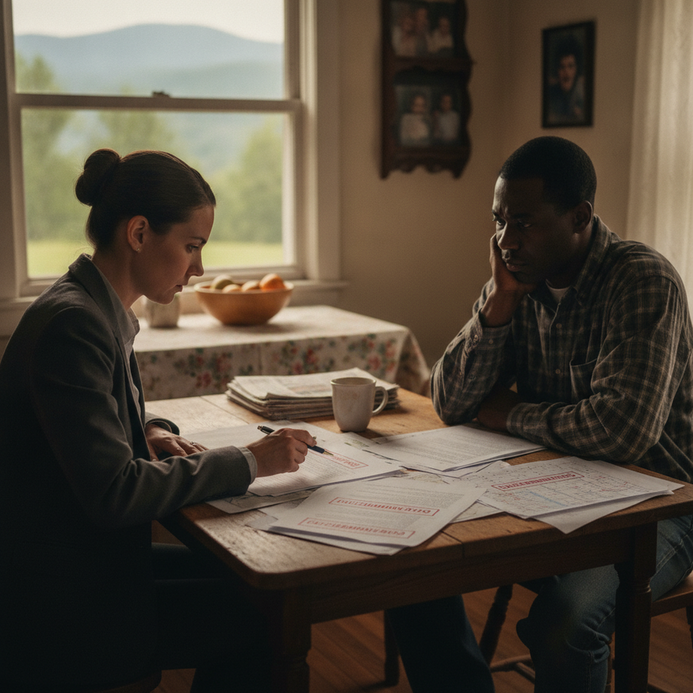
[Inline image placeholder: A lawyer and a property owner sitting at a kitchen table in West Virginia, reviewing condemnation paperwork together. Prompt: A lawyer and a property owner sitting at a kitchen table in West Virginia, reviewing condemnation paperwork together, warm daylight through the window, legal documents visible, both look focused.]
Conclusion
Quick take condemnation in West Virginia can feel sudden and overwhelming, but you don’t have to go through it alone. With the right help, you can make sure your rights are protected and that you receive fair compensation for your property. Contact us to learn more.