If you live or own property in West Virginia, you might have heard about eminent domain. This is the government’s power to take private land for public use, like building roads, schools, or utility lines. It sounds intimidating, but you’re not powerless. If your land is on the line, you have the right to “just compensation,” which means fair payment for what’s taken. Understanding west virginia just compensation can make all the difference if you ever face a property taking. In this guide, you’ll learn what just compensation means, how it’s calculated, and how you can make sure you get every dollar you deserve.
What Is Just Compensation in West Virginia?
Just compensation is the amount of money the government must pay when it takes your property for a public project. But it’s not just any payment. In West Virginia, the law says you should get a payment that’s truly fair, not just what the government thinks is enough. The goal is to put you in a similar position as if your property was never taken at all.
This right comes from both the U.S. Constitution and West Virginia state law. The Fifth Amendment says private property can’t be taken “for public use, without just compensation.” West Virginia’s own laws add extra protection, making sure property owners aren’t left out in the cold. If the government or a company working for the government needs your land, you’re entitled to payment that reflects the real value lost.
Let’s say the state wants to widen a highway and the new route cuts through your pasture. Or maybe a utility company needs part of your backyard for new power lines. In both cases, you have a right to fair compensation for what’s taken, and sometimes for other losses, too. But how is that value set, and what if you disagree with the offer?
How Is Compensation Calculated?
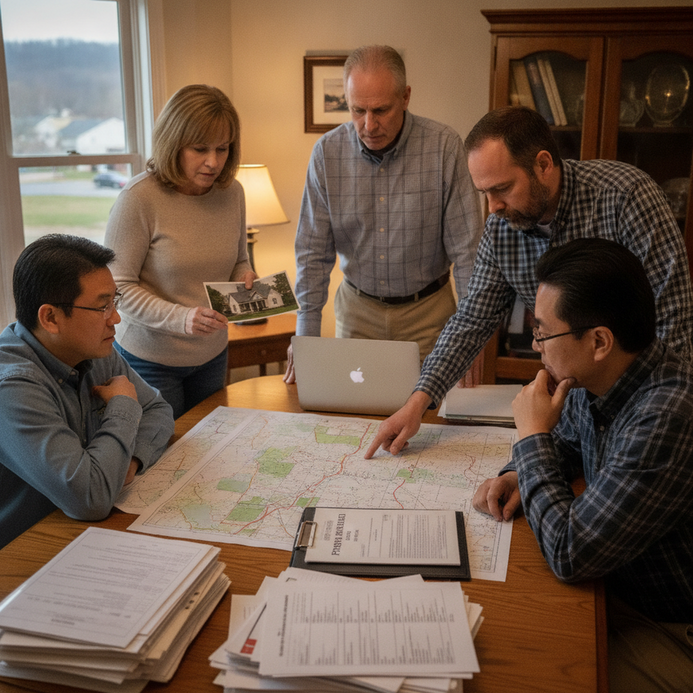
Getting the amount right isn’t always straightforward. There’s a lot more to compensation than just looking up your property’s price on a real estate website. In West Virginia, “just damages” cover more than the land itself. Here’s how it’s usually figured out:
-
The main factor is the fair market value of your property. This means what a willing buyer would pay a willing seller in a fair deal. It’s based on recent sales of similar properties, the location, current use, and special features.
-
If only part of your property is taken, you can also be paid for any loss in value to what remains. For example, if a new road splits your field and makes the rest less useful or harder to reach, you should be compensated for that loss too. This is called severance damage.
-
The law considers damages to buildings, businesses, or crops that are affected by the taking. If you run a small business from home and lose parking or access, or if your barn must be moved or torn down, those damages count as well.
-
Special features can affect value. Maybe you have a unique home, a family farm with sentimental value, or rental units that bring in income. All these details can influence what your property is really worth, far beyond the tax value or county assessment.
Because there are so many factors, the government usually hires an appraiser to estimate your property’s value. But you don’t have to take their word for it. You can get your own independent appraisal, which often leads to a higher settlement. Sometimes, property owners and the government see things very differently, and that’s when negotiations, or even a court hearing, come into play.
The Condemnation Process: What to Expect
If your property is targeted for a public project, the process usually unfolds in a few steps. Knowing what’s ahead can help you protect your interests.
-
The government or a utility company will reach out, often with a letter or visit, to let you know about the project and make an initial offer for your property. This offer is usually based on their appraisal.
-
If you don’t agree with the offer or want to negotiate, you have the right to challenge it. You can present your own evidence about your property’s value, like a new appraisal, photos, or records about how the taking will affect your home or business.
-
If no agreement is reached, the government or company may file a condemnation lawsuit. This is a formal process where a judge decides what’s fair. You’ll still have a chance to argue for higher compensation, and you can bring a lawyer to help present your case.
During this process, you can collect evidence, get your own appraisal, and even bring in legal help. The law is set up to give you a fair shot, but it’s easy to feel overwhelmed if you’re handling it alone. The paperwork, deadlines, and rules can be confusing if you aren’t familiar with the West Virginia eminent domain process. Even a simple mistake can affect the outcome.
Common Issues in West Virginia Just Damages Cases
Every property is different, and so are the challenges when it comes to west virginia just damages. Here are some common issues property owners face, along with examples:
-
Disagreements over property value. The government’s appraiser might use outdated sales or ignore improvements you’ve made. Maybe you’ve renovated your home, added fencing, or have valuable timber. These details can be overlooked, leading to an offer that’s too low.
-
Partial takings create tough questions. If only part of your land is acquired, how does that affect what’s left? For example, if a new highway takes your best pasture, the rest of your farm might lose value or become less productive. Sometimes, driveways or access roads get cut off, changing how you use the property.
-
Damage to businesses or homes that isn’t obvious at first. Maybe you run a small roadside market, and losing parking or road access means fewer customers. Even if the building isn’t touched, the business can suffer. Or perhaps a home loses privacy or becomes noisier because a road is now closer than before.
-
Timing of the compensation. Property owners often worry about when they’ll get paid. If you need to move, buy a new place, or relocate a business, delays in payment can cause real hardship. The law tries to make payment quick, but sometimes disputes drag things out.
-
Emotional attachment and unique features. Maybe your property has been in your family for generations, or there’s a view or feature that’s hard to price. These factors matter to you, but the government’s offer may not reflect them. It’s important to raise these issues early.
If any of these sound familiar, you’re not alone. Many West Virginians have gone through similar struggles. In some cases, neighbors group together to push back against a big project. Others have found that bringing in outside experts, like appraisers, engineers, or attorneys, helps tip the scales in their favor.
How to Protect Your Rights and Maximize Compensation
You don’t have to accept the first offer the government gives. Here are some practical steps you can take to make sure you receive fair west virginia condemnation compensation: