If you own property in West Virginia, you might think the government can only take your land by going through an official process. But did you know they can sometimes affect your property without ever filing a case? This is where west virginia inverse condemnation comes in. In this guide, you’ll learn what inverse condemnation means, how it works, and what steps you can take if your property has been impacted.
What Is Inverse Condemnation?
Inverse condemnation is a situation where the government takes or damages private property, but doesn’t follow the usual legal steps for eminent domain. Instead of the government suing you to take your property and pay you, you sue the government to get fair compensation. It’s called “inverse” because it flips the normal roles.
Let’s break that down. Normally, if the government wants your land to build a school, highway, or park, they have to go through a process called eminent domain. You get notified, have a chance to argue, and should get paid a fair amount. But sometimes, the government doesn’t go through this process. Maybe they build a project that changes how water flows and your basement starts flooding. Or they install a noisy public facility next to your home. If these actions hurt your property, you may have a right to compensation, even if the government never formally took your land.
In West Virginia, laws protect property owners in these situations. If a government action causes you to lose use of your property or its value drops significantly, you have the right to seek payment. This is true whether the government built something, changed rules about your property, or caused damage another way.
How Does Inverse Condemnation Happen in West Virginia?
Inverse condemnation can take many forms, and the effects are often gradual or indirect. Here are some of the most common ways it happens in West Virginia:
- A new highway reroutes stormwater, and your land floods more often than before. You never agreed to this, and the government didn’t pay you.
- A public works project, like a wastewater plant or power substation, goes up nearby. Suddenly, there’s constant noise or bad smells, making your home less comfortable or harder to sell.
- Utility companies install power lines or pipelines on your property without going through the full eminent domain process or offering you fair payment.
- The city or county changes zoning rules, making it impossible to use your property for farming or running your business the way you planned.
Take the example of a farmer in rural West Virginia. The state builds a new road a few miles away, but it changes how rainwater drains. After that, parts of the farmer’s fields flood every spring, ruining crops and cutting into income. The state didn’t buy any of the farmer’s land, but the impact is real. That’s a classic situation where west virginia inverse condemnation may apply.
It’s not always obvious when your rights are at stake. Sometimes the government’s actions are subtle, or the problems develop over time. That’s why it’s important to pay attention to changes around your property and keep records if you notice new issues.
Your Rights as a Property Owner
Both the United States Constitution and West Virginia’s state constitution protect your right to own property. They say the government can’t take your property for public use without paying you fairly. These promises apply even when the government doesn’t use the official condemnation process.
But what counts as “taking” or “damaging” your property? West Virginia courts look at several things:
- Did the government’s action directly impact your property? This means a clear connection, not just a distant effect.
- Is the impact serious, causing a real loss in how you use your property or in its value? Minor annoyances usually don’t count.
- Have you been paid? If not, and you’ve suffered a loss, you may have a claim.
Let’s say your backyard used to be quiet and private, but now there’s heavy truck traffic from a new government facility next door, and your property value drops. Or maybe new rules mean you can’t build on your land anymore. In these cases, you could have a strong claim under west virginia inverse condemnation law.
It’s not always easy to prove your case. You’ll need evidence that links the government’s actions to your property’s problems. This is where legal advice is crucial. An attorney can help you figure out if your situation qualifies, gather the right evidence, and explain your options.
Steps to Take if You Suspect Inverse Condemnation
If you think your property has been damaged by government activity, here are practical steps you should take:
- Document everything. Take photos of any damage, flooding, or changes to your property. Keep a journal of when problems started and what you’ve noticed since. Save letters, emails, or notices from government agencies.
- Talk to your neighbors. Are they seeing the same issues? If several properties are affected, you may have a stronger case together.
- Get your property appraised. A professional can help measure how much your property’s value has changed. This is key for showing what you’ve lost.
- Consult with a lawyer who knows west virginia inverse eminent domain law. The rules can be complicated, and a good attorney will know how to spot a claim and what evidence you need.
Act quickly if you think your property rights are being violated. Waiting too long can make your case harder to prove. Some issues, like flooding or noise, can get worse over time, so early action helps you document changes and protect your claim.
Why Legal Help Matters in Inverse Condemnation Cases
Inverse condemnation cases can feel overwhelming. The government has lawyers and experts on their side. The laws aren’t always clear, and each case is a little different.
That’s why having an attorney with experience in west virginia condemnation help makes a big difference. Here’s what a qualified lawyer will do for you:
- Investigate your claim. They’ll look at maps, public records, and your documentation to build a strong case.
- Gather evidence. This could include expert opinions on flooding, noise, or property value changes.
- Handle negotiations. Many cases settle before going to court, but you’ll need someone who knows how to talk to government agencies and get them to take your claim seriously.
- Go to court if needed. If a fair settlement can’t be reached, your lawyer will present your case to a judge and fight for your rights.
Let’s face it, most people don’t have the time or background to handle this on their own. Even if you’re just curious whether you might have a claim, an initial conversation with a west virginia taking attorney can give you peace of mind and help you plan your next steps.
Real-Life Example: How One West Virginia Family Fought Back
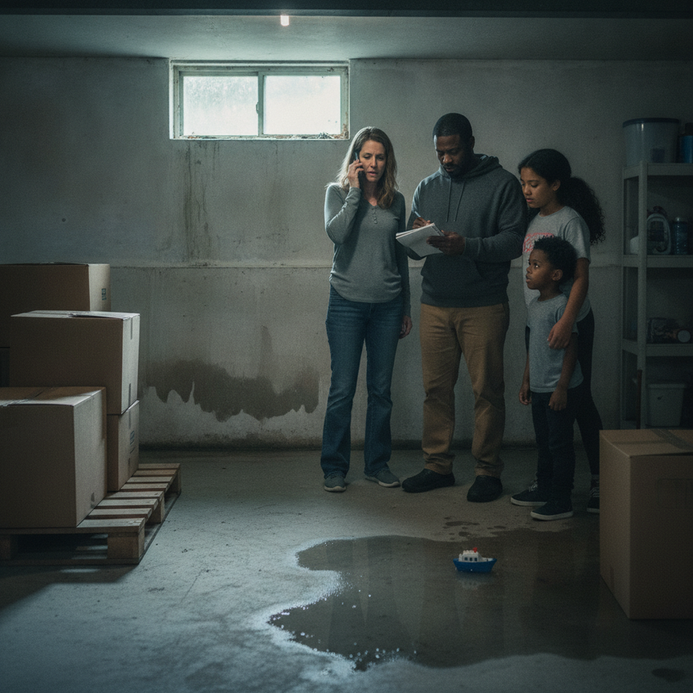
Imagine a family living near a creek in West Virginia. After a state highway project upstream, their basement starts flooding every spring. The state never bought any of their land, but now the property is harder to use and nearly impossible to sell. The family is frustrated and worried about long-term damage.