Ever wondered what happens if the government wants to take your property for a new road or public project? Understanding West Virginia eminent domain laws is key. In this guide, you’ll learn what these laws mean, how the process works, what your rights are, and how to protect your interests. If you’re facing a government taking, knowing your options is the first step.
What Is Eminent Domain?
Eminent domain is the power of the government to take private property for public use, as long as the owner gets fair compensation. In West Virginia, this means the state, city, or even certain utilities can acquire land for things like highways, schools, or power lines. The law is meant to balance the needs of the community with the rights of property owners.
The legal term for the government taking land is “condemnation.” If you hear about condemnation laws in West Virginia, it’s the same thing as eminent domain. The government must show the taking is for a real public purpose and must offer you money for your property. But what counts as “fair compensation” can be a big question.
You might picture the government only seizing land for huge interstates, but eminent domain also covers smaller projects. Imagine the city needs to widen a street or add a sidewalk, and your front yard is in the way. Or maybe a utility company needs a strip of your land for new power lines. These are all examples of eminent domain in action.
The West Virginia Eminent Domain Process
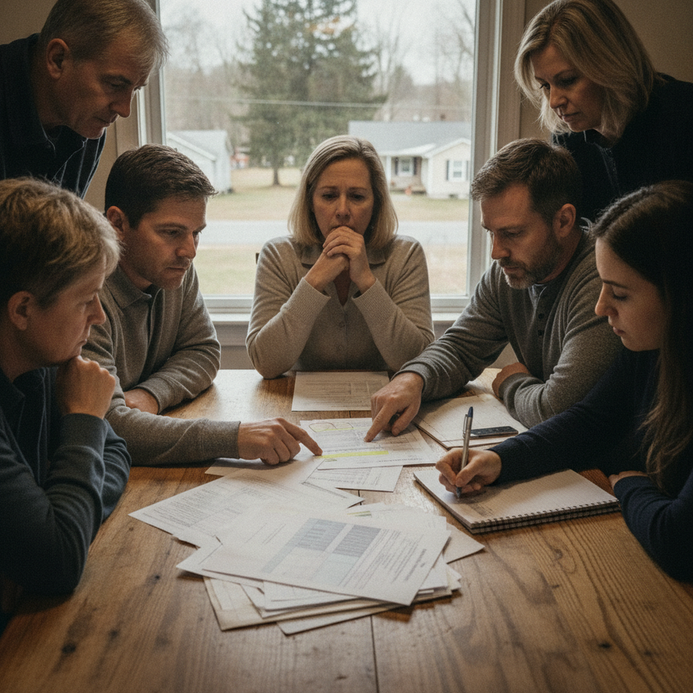
If you’re facing eminent domain, it helps to know what steps are involved. The process usually follows a few main stages.
- The government or agency identifies land needed for a project.
- You receive a formal notice explaining their intent to acquire your property.
- They will likely appraise your property and make an initial offer.
- If you don’t agree with the offer, negotiations begin.
- If no agreement is reached, the government may file a condemnation lawsuit in court.
Throughout this process, you have the right to ask questions, get your own appraisal, and challenge the offer. Many people don’t realize they can negotiate or that the first offer isn’t always the best one. Having legal support early on can make a big difference.
Let’s look a little closer at what happens at each step. The notice you receive should include details about the project and which part of your land they want. The government’s appraiser will assess your property’s value, but their numbers may not match your own expectations. You can hire your own appraiser to get a second opinion. During negotiations, you’re not required to accept the first proposal. If talks stall, the case goes to court, where a judge or jury decides what you should be paid.
Your Rights as a Property Owner
West Virginia eminent domain laws give you some important rights. You don’t have to accept the government’s first offer. You can:
- Request a higher amount if you believe your property is worth more.
- Get your own independent appraisal.
- Challenge the taking if you believe it’s not truly for public use.
- Be represented by an attorney during negotiations and in court.
If the case goes to court, a judge (and sometimes a jury) will decide how much money is fair. The government must pay you before taking ownership. You also have the right to be paid for damages if only part of your land is taken and the rest is devalued.
Imagine your home sits on a large lot, and the state wants a corner of it for a new sidewalk. If that change makes your remaining land less valuable or harder to use, you can ask for extra compensation. The law also gives you the right to full information about the project’s impact. Don’t be afraid to ask questions or request documents. If you feel like you’re in the dark, it’s a signal to bring in help.
You also have the right to challenge the reason behind the taking. If you believe the project isn’t really serving the public or that the process hasn’t been followed correctly, you can ask a court to review it. This isn’t common, but it does happen, especially if there’s a question about whether a private business, working with the government, is the true beneficiary.
What Counts as “Fair Compensation”?
You might be wondering how the value of your property is decided. Fair compensation usually means the fair market value, what your property would sell for on the open market. But there’s more to it. The law may also require payment for things like relocation costs or lost business income if your livelihood is affected.
Sometimes, only part of your property is taken. In that case, you may be entitled to compensation for the reduced value of what’s left. For example, if a new highway cuts through your land and makes the rest less useful, you can seek extra payment for those damages.
If you own a business on the property, you may also be able to claim for lost profits or the costs of moving. The rules can be complicated, so it’s smart to get professional advice before accepting any offer.
It helps to get an independent appraiser who understands local property values. They can spot factors the government might overlook, like special features on your property or how the change affects your daily life. For example, maybe you have a workshop on your land that isn’t used much by others, but it’s crucial for your small business. Or maybe the loss of a driveway or a stand of trees changes the entire feel and function of your home. These details can affect the value and should be part of the compensation discussion.
Compensation can also include what’s called “severance damages.” This means if the taking leaves your remaining property less valuable or harder to use, you’re owed more. Suppose you own a corner lot, and the new public project limits your access or changes the traffic pattern. That could directly impact the usefulness and even the safety of your property. It’s not just about what’s taken, but about what’s left behind.
How to Challenge a Condemnation in West Virginia
What if you don’t agree with the government’s plan or the amount you’re offered? You have options under West Virginia condemnation laws. You can challenge both the right to take your property and the amount of compensation.
To challenge the taking itself, you’ll need to show that the project isn’t really for public use or that the process wasn’t followed correctly. These cases can be tough, but they’re not impossible. An experienced West Virginia taking attorney can help review your situation and decide the best approach.
To challenge the compensation amount, you can present your own evidence, like an independent appraisal or expert testimony. Sometimes cases are settled before trial, but if not, the court will hear both sides and make a decision.