Ever wondered what happens if the government wants your property for a new road or public project? In Washington, this process is called eminent domain, and it usually means the government must pay you “just compensation” for your loss. But how do you actually figure out what your property is worth in an eminent domain case? In this guide, you’ll learn how property value is determined in eminent domain in Washington, what affects your payout, and how to make sure you get a fair deal.
What Is Eminent Domain and Condemnation in Washington?
Eminent domain is the government’s legal power to take private property for public use. This could be for roads, schools, parks, pipelines, or even utilities. In Washington State, this process is often called condemnation. While the government has this right, the law requires it to pay you “just compensation” before taking your land.
So, what does “just compensation” really mean? In simple terms, it means you should walk away with a payment that reflects what your property is truly worth. The goal is to put you in the same financial position as if the government had never taken your land at all. This is where things can get complicated, because determining value isn’t always straightforward. Emotions can run high when it’s your home or your business on the line, and property value isn’t just about numbers on a spreadsheet.
It’s about what your land, building, or even a piece of your backyard is worth in the local real estate market at the time of the taking.
When you get a notice from the government about a potential taking, it can feel overwhelming. You might not know what comes next or what you’re supposed to do. But understanding how property value is calculated in condemnation cases is a crucial first step toward protecting your rights.
How Is Property Value Determined in Washington Eminent Domain Cases?
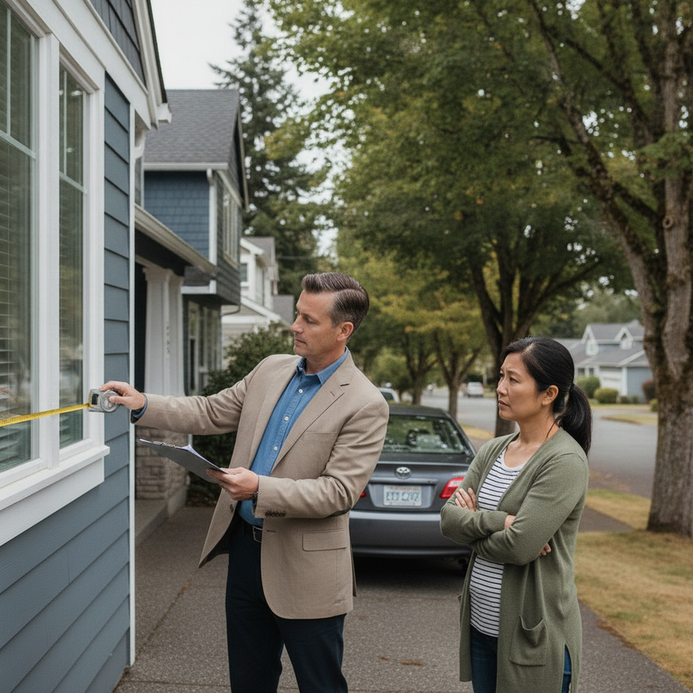
The number one question most property owners ask is: How much money will I get? The answer is based on something called “fair market value.” In Washington, fair market value means the price a willing buyer would pay a willing seller for your property, with both sides knowing all the important facts and neither being forced into the deal. This is the standard used in nearly all condemnation valuation eminent domain Washington cases.
Appraisals are the heart of this process. The government will hire a professional appraiser to estimate your property’s fair market value. Appraisers look at several things to come up with their number. Here are the main factors:
- Recent sales of similar properties (these are called comparables or “comps”). For example, if your neighbor sold their home last month, that sale price might help set the value for yours.
- The current use of your property. Is it a house, a commercial building, or vacant land? Each is valued differently.
- Zoning, location, and access. Is your property zoned for residential, commercial, or industrial use? Is it close to a busy road, a school, or a park? These factors all influence value.
- Improvements and structures. Appraisers consider buildings, garages, fences, landscaping, and even things like pools or sheds.
- Unique features. Does your property have a view, extra privacy, or special access? Or does it sit next to something unwanted, like a noisy highway?
The government’s appraiser will visit your property, take measurements, and review documents. You have a right to see the government’s appraisal and review how they determined their offer. Importantly, you can, and often should, hire your own independent appraiser, especially if you think the government’s number seems low. Sometimes the two appraisals are very different, which can lead to negotiations or even a court case where a judge or jury decides the final value.
What Factors Can Affect Your Property Value in a Washington Taking?
Not all properties are valued the same way. Several key factors can increase or decrease the amount you’re offered in a condemnation case.
Location is one of the biggest drivers. A home in downtown Seattle will almost always be valued higher than a similar one in a rural county. Even within a city, being close to jobs, schools, or public transportation can add value. Zoning is another big factor. If your land could legally be used for something more profitable, like turning a house into an office building, it may be worth more.
The use of the property matters, too. A single-family home, a rented duplex, a retail store, and a vacant lot are all valued with different methods. For example, rental properties are often valued based on the income they generate, while homes are valued mostly on comparable sales.
Another important detail is whether the government is taking all or just part of your property. ” If only a strip of your land is needed for a road, you’ll be paid for the land actually taken. But if the remaining property loses value because of the project, for example, if you lose driveway access, or your property is now next to a busy road, you may be entitled to additional compensation for those damages. In some cases, the rest of your property can be left almost unusable, even if only a small piece was taken.
For example, if a new highway cuts off access to a business, that business could lose a lot of value even though most of the land remains.
Timing also matters. Property values can rise or fall quickly, especially in hot real estate markets. In Washington, the value is usually set based on the date the government starts the formal condemnation action. If your land was worth a lot more last year, but prices have dropped since, the timing could impact your payout.
Finally, special property features can affect value. Maybe your land has timber, mineral rights, water access, or even the potential for future development. Or maybe there are environmental restrictions that limit what you can do with the property. All these details are considered by appraisers and can make a real difference in the final number.
The Condemnation Valuation Process: Step by Step
If you’re facing a Washington taking, here’s what usually happens with your property valuation:
- The government notifies you in writing that they want to acquire your property, or a portion of it.
- They send an appraiser to visit your property. The appraiser inspects the land, takes photos, checks the title, and researches recent sales in your area.
- The government makes you a written offer, which should include a copy of their appraisal or a summary explaining how they calculated the number.
- You have the right to review this offer and hire your own independent appraiser to assess your property’s value. This is your chance to see if the government missed anything, like extra value from a second building, or damages to the remaining property.
- If you disagree with the government’s offer, you can negotiate. This might mean sharing your independent appraisal, pointing out mistakes, or arguing for higher damages.
- If the two sides can’t agree, the case may go to court. There, both sides present evidence, and a judge or jury decides the fair market value and any damages owed.
Throughout this process, you have rights. You can ask questions, challenge the government’s appraisal, and present your own evidence. The law also provides for legal deadlines on when to respond and how to challenge the offer, so staying organized is important. Many property owners find it helpful to work with a lawyer who specializes in Washington condemnation cases. They can help you avoid missing key steps or overlooking compensation you deserve.
Common Mistakes Property Owners Make in Washington Eminent Domain Cases
Dealing with a condemnation can be a stressful, confusing experience. It’s easy to make mistakes that cost you money or weaken your negotiating position. Here are some of the most common pitfalls property owners make in Washington eminent domain cases:
- Accepting the government’s first offer without any questions. The government’s goal is to keep project costs down, so their first offer may not reflect the highest possible value for your property.
- Not hiring an independent appraiser. Even if you trust the government’s process, an expert working for you might notice things the government’s appraiser missed, like the potential for commercial development, or special features that add value. Appraisals can differ by tens of thousands of dollars, or more.
- Overlooking damages to the remaining property after a partial taking. If a road project cuts off access to your business or home, or the new public use makes the property less attractive, you may be owed extra money. Many owners leave this on the table without realizing it.
- Missing legal deadlines. Washington law has strict timelines for challenging condemnation actions or responding to offers. Missing these can limit your options or even result in losing your right to contest the amount.
- Failing to document the condition and use of your property. Photos, receipts, and records about repairs, improvements, or rental income can make a big difference in how your property is valued.
Avoiding these mistakes doesn’t just protect your rights, it can put thousands of extra dollars in your pocket. An experienced condemnation attorney can help you navigate these challenges, gather the right evidence, and make sure your voice is heard.
Why Legal Help Matters for Property Value in Eminent Domain
Facing a government taking can feel like you’re fighting an uphill battle. The laws and rules around condemnation valuation eminent domain Washington are complicated, and the stakes are high, this is your property and your future. Even if you feel confident negotiating on your own, the government will have experts on their side. Shouldn’t you?