Ever wondered what happens when the government wants to use your land in Massachusetts? You might hear terms like “easement” or “full taking,” but what do they really mean? In this post, you’ll learn the clear differences in the Massachusetts easement vs taking process, what each means for your property, and how you can protect your rights and get fair compensation.
What is an Easement in Massachusetts?
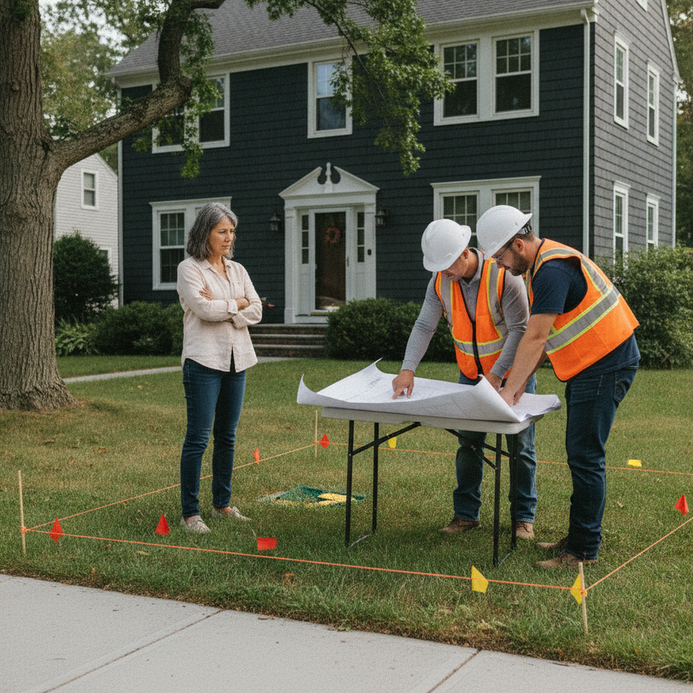
An easement is a legal right for someone else, often the government or a utility company, to use part of your property for a specific purpose, without actually taking ownership of the land. Think of it like letting someone use your driveway to access their house, but you still own the driveway. In Massachusetts, easements often come up when the state or a city needs to build or maintain roads, install utility lines, or create pathways.
There are different types of easements you might encounter. A permanent easement gives the government or company the right to use a portion of your land forever, like for a utility pole or sewer main. A temporary easement, on the other hand, might allow access for a set period so workers can make repairs or improvements. When the work is done, those rights end.
You might still live on your property and use it as usual, but now, someone else has special rights over a section of your land. Common types of easements include those for sewer lines, power lines, or sidewalks. For example, if the city needs to run a new water main under your street, they may take an easement allowing them to dig, install, and maintain the pipe. You may see surveyors or workers on your land from time to time, but you would still own and use the property.
The government may pay you for granting an easement, since it can affect how you use your land and its value. The payment is usually based on how the easement impacts your property’s worth. For example, if you can no longer build a pool or garage in that spot, your property value could decrease. This is why it’s important to review all easement documents closely and understand the long-term effects.
What is a Full Taking?
A full taking, also known as total or complete taking, is when the government uses its power of eminent domain to acquire your entire property. In this case, you no longer own the land. The government becomes the new owner and you have to move out. A full taking usually happens for big projects like highways, new schools, or public parks, where your whole property is needed.
The law says you must be paid “just compensation” for your property. This means you should get fair market value, what your property would sell for in a normal situation. For example, if your home would likely sell for $450,000 on the open market, that’s the starting point for what the government should offer. The process can feel overwhelming, especially if you aren’t sure what your rights are or if the offer seems low. This is where having the right legal help is crucial.
Full takings are life-changing. You’ll need to relocate and possibly find new schools, commute routes, or even a new job if you run a business from home. The government is supposed to compensate you not just for the value of your property, but sometimes for moving expenses and losses directly caused by the forced sale. Still, the process can be confusing, and many owners don’t realize every right they have under Massachusetts law.
Massachusetts Easement Vs Taking: Key Differences
The main difference between an easement and a full taking comes down to ownership and control. With an easement, you keep your property but lose some control over how you use it. With a full taking, you lose ownership entirely.
Let’s break this down with a few practical examples. If the city needs to install a water pipe under your yard, they might take an easement, letting them dig and maintain the pipe while you keep your home. But if they need to build a new highway where your house sits, they’ll likely do a full taking, and you’ll have to move.
The compensation is also different. For easements, you’re paid for the reduction in your property’s value or for the specific area affected. For full takings, you’re paid for the whole property. The government may also pay for damages to the remaining property you own if only part is taken (called a partial taking). In both cases, you have the right to negotiate and ensure you’re treated fairly.
Another difference is how your daily life changes. With an easement, your routines might shift a bit. For example, you might not be able to build a shed over a buried cable, or you might have utility trucks on your lawn a few times a year. With a full taking, your life is uprooted entirely.
How the Process Works: From Notice to Compensation
Step 1: Notification
It usually starts with a letter or notice from the government or a utility company. This letter explains what rights they want and why. For example, you might get a notice that the city is planning to widen the street and needs an easement for a sidewalk, or that your entire property is targeted for a new public building.
Step 2: Appraisal and Offer
An appraiser will look at your property and estimate its value. For an easement, they’ll figure out how much the specific use will affect your property’s overall worth. For a full taking, they’ll estimate the entire property’s fair market value. You’ll get a written offer, which you can review and discuss.
This is a good time to ask questions. Is the value accurate? Does the easement allow more access than necessary? Is the full taking really essential? Sometimes, property owners can negotiate the terms or even reduce the size of the easement if it’s not needed.
Step 3: Negotiation
You don’t have to accept the first offer. You can ask questions, get your own appraisal, or negotiate for a better amount. Many property owners don’t realize they have this right and miss out on fair compensation.
Let’s say the appraiser calculated your property’s value using outdated sales data or missed upgrades you’ve made like a finished basement. Getting your own appraisal can give you leverage. You can also negotiate how and when the government or company can access your land, what type of work can be done, and for how long.
Step 4: Agreement or Court
If you and the government agree, you’ll sign documents and get paid. If not, you can challenge the offer in court. This is where having an experienced eminent domain lawyer really makes a difference. The court will review both sides’ appraisals and decide on fair compensation. In some cases, the court might rule that the taking or easement isn’t justified at all.
How Easements and Full Takings Affect Your Property Rights
Losing some or all control over your property can feel stressful. Here’s what each option often means for your day-to-day life:
With an easement, you may have to allow workers onto your property from time to time. You might be limited in what you can build or plant in the easement area. For example, you may not be able to put up a fence or plant trees where a buried utility line runs. If you’re a gardener, this might mean rethinking your landscaping. If you want to add a playset or a patio, you’ll need to check the easement boundaries first.
Some easements are more burdensome than others. A permanent utility easement could mean trucks accessing your yard every few years for maintenance. A temporary construction easement might cause noise and disruption for a few months but then expire. Carefully read the details to know what to expect.
With a full taking, you’ll need to relocate entirely. You may also have to find a new home or business location. The government must pay you for your property, but moving costs and finding a new place can still be a big challenge. If you own a small business on the property, you might qualify for extra help with moving and business reestablishment costs. The process can feel like a whirlwind of paperwork, appraisals, and deadlines.
Massachusetts Easement Vs Taking Comparison: Real-World Examples
Let’s look at a couple of real-life situations to show the Massachusetts easement vs taking difference.
Imagine your home is near a busy road. The city decides to widen the road to make it safer. If only a small strip of your front yard is needed for a sidewalk, they might request an easement. You keep your home, but you can’t block the new walkway. The city might pay you for the strip affected, and you’ll need to keep it clear for public use.
If the entire house is in the path of the new road, the city will likely do a full taking, you’ll have to sell and move. The city would pay you the fair value of your home and, if you qualify, help with moving expenses. This can be a huge emotional and financial shift, especially if you’ve lived in your home for many years.
Another example: A utility company needs to run new power lines. They may only need an easement over part of your backyard. You can still use the rest, but you can’t build a shed or plant large trees where the power lines are. If you have plans to expand your home or create a garden, those plans may need to change. If the utility needs to build a large substation that requires your whole property, that would be a full taking.