Ever wondered what really happens when the government wants to use or claim part of your property? Understanding the difference between a Maryland easement vs taking is key if you’re a property owner facing these situations. In this post, you’ll learn how each works, what your rights are, and the impact on your property. We’ll also help you figure out what steps you can take to protect yourself and make sure you get fair treatment.
What Is an Easement in Maryland?
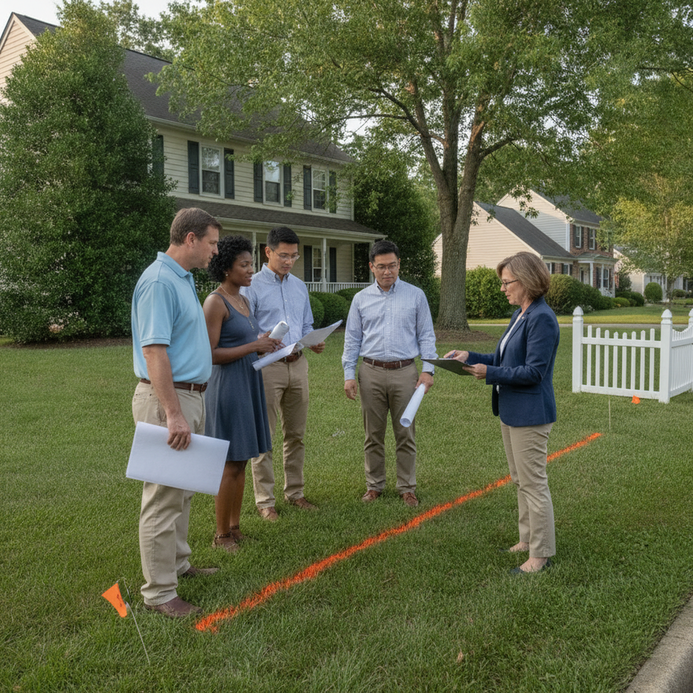
An easement gives someone else the right to use a part of your property for a specific purpose, but you still own the land. For example, a utility company might need to run power lines underground, so they get an easement to dig and maintain them. You can still use your land, but with some limits. Easements come in many forms, like for roads, water, or even shared driveways. The main thing to remember: you’re not losing ownership, but your rights to use all of your land could be limited.
Let’s look at some real-life examples. Say a local government wants to build a sidewalk along the edge of your yard. They might only need a small strip of your property, so they ask for an easement. You’ll get paid for this, but you’ll still be the owner, just with some new rules about what you can do on that strip.
Not all easements are created equal. Some are permanent, meaning the right to use your land is passed along to future owners. Others are temporary, lasting only as long as the project takes. For instance, if a city needs to access your backyard to repair a sewer line for six months, they might use a temporary construction easement. Once the work is done, their right to use your land ends and you get the full use back.
Easements can also be “exclusive” or “non-exclusive.” An exclusive easement means only the holder of the easement can use that portion for the stated purpose. With a non-exclusive easement, you and the holder both get to use the land, as long as you don’t interfere with the intended use. For example, you might share a driveway with a neighbor under a non-exclusive easement, but you both have access.
What Is a “Full Taking” Under Eminent Domain?
A full taking, sometimes called a total taking, is what most people picture when they think of eminent domain. This is when the government takes your entire property for a public project, like building a highway or a school. Once this happens, you no longer own the land at all. The government becomes the new owner, and you’re supposed to get fair compensation based on the property’s value.
For example, if your house is in the path of a planned road expansion and the government needs all of it, that’s a full taking. You move out, hand over the keys, and the property is no longer yours. It’s a big deal, and the process can be stressful and confusing if you’re not prepared.
Sometimes, the government needs only part of your property. This is called a “partial taking.” Let’s say you own a large lot, and the state wants the front 30 feet for a new sidewalk and bike path. You keep the rest, but you lose some land and possibly access or use of what remains. In these cases, you’re paid for the part taken, plus any loss in value to what’s left. Partial takings can be just as complicated as losing the whole property because of how they affect the rest of your land.
Maryland Easement Vs Taking: Key Differences
Now, let’s dig into the main points of the maryland easement vs taking comparison. Both involve your property, but they work in very different ways.
First, ownership. With an easement, you stay the owner, but someone else gets limited rights. With a full taking, you lose ownership entirely. After a taking, the government holds the deed and controls the land’s future use. With an easement, your name remains on the property title.
Second, use and control. Easements usually come with restrictions, like not building over a utility line or keeping an area clear. But you can still use most of your property as you wish. For example, if you have a water main easement running under your yard, you can still plant grass or install a fence, just not directly above the pipe. After a taking, you have no say at all, your property is gone.
Third, compensation. In both cases, you’re entitled to payment, but how it’s calculated can differ. Easement payments usually reflect the impact on your property’s value, while a full taking pays you for the whole property. If a partial taking leaves your remaining land less valuable (maybe you lose easy road access or a key parking spot), you should be paid for that loss too.
Fourth, emotional impact. Losing your entire home or business is very different from having a corner of your yard used for a sidewalk. Both can be upsetting, but the stakes with a full taking are much higher. Imagine a family who has lived in their house for decades being told they must move for a new school. Compare that to a business owner who learns a utility pole will be installed at the edge of their parking lot. The legal and personal effects are very different.
Finally, reversibility. Easements can sometimes be removed if the need goes away. If the utility company no longer needs the line, the easement might be released, and you regain full use. A taking is permanent. Once your land is gone, it’s gone for good.
How Compensation Works in Easement vs Full Taking Cases
Getting fair payment is a huge concern for property owners. But how do you know if the offer is fair? Let’s break down how payment typically works for each situation.
For easements, compensation is based on how much the easement affects your property’s value. If the government takes a strip for a new sewer line, an appraiser will look at your property’s worth before and after the easement. The difference is what you should be paid. If the easement prevents you from building a pool or garage in that area, that’s factored in. Sometimes, the payment is a one-time lump sum. In rare cases, for ongoing use or inconvenience, you might receive regular payments.
For full takings, you’re entitled to what’s called “just compensation.” This means the market value of your property, the price it would sell for under normal conditions. Sometimes, you can also get paid for costs like moving or loss of business if you have a commercial property. Maryland law tries to ensure you are made “whole,” at least financially.
Partial takings are a little trickier. Imagine your property is worth $400,000. The government takes a quarter-acre strip, but now your property is worth only $320,000 because it’s smaller and less usable. You should be paid for the land taken plus the $80,000 drop in value. Don’t assume the government’s first offer covers everything, some damages, like lost access or changed traffic flow, are easy to overlook.
But here’s the thing: government offers aren’t always as high as they should be. It’s common for initial offers to miss certain impacts or underestimate value. That’s why it’s wise to talk to a lawyer who knows the maryland easement vs taking process inside and out. An attorney or appraiser can spot important factors, like whether the easement makes it harder to sell your property later or whether a partial taking blocks future development.
Legal Process: What to Expect in Maryland
If you get notice about an easement or full taking, it can feel overwhelming. The steps are different for each, but both follow a legal process that’s meant to protect your rights.
With easements, the government or utility company will reach out and explain what they need. You’ll get a chance to negotiate. If you can’t agree, the government may file a legal action to get the easement. You’ll have a say, and you can present your side in court. The law requires that you be notified about the proposed easement, and you have the right to ask questions, negotiate terms, or challenge the need for the easement. Sometimes, disputes are settled before they reach court through mediation or direct negotiation.
For a full taking, the process is usually more formal. The government notifies you, makes an offer, and if you don’t agree, files a legal action called a condemnation. You’ll get a chance to respond, present evidence about your property’s value, and argue for more compensation. Courts take these cases seriously, but having a legal expert on your side makes a big difference. You can also challenge whether the taking is truly necessary for the public good. In rare cases, courts have blocked government takings that aren’t justified.
In both easement and taking cases, Maryland law gives you important rights: notice, the chance to be heard, and the right to seek more money if you don’t agree with the government’s offer. Legal timelines can be strict, so don’t wait to act if you receive notice. Missing a deadline could limit your options.
How Easements and Takings Affect Your Property Value
Both easements and takings can change your property’s value, but in different ways. With an easement, the impact might be minor (like a small utility pole) or more serious (like a large, visible pipeline across your yard). If the easement limits how you can use a portion of your land, or if it affects access, that can lower your property’s value.