Ever wondered what happens if the government wants to take your land in Kentucky? The answer depends on the process they use. In this guide, you’ll learn all about the Kentucky quick take vs straight condemnation methods, how they differ, and what each means for you as a property owner. If you’re facing an eminent domain action, knowing the difference could make a huge impact on your rights and compensation.
What Is Eminent Domain in Kentucky?
Eminent domain is a legal power that allows state and local governments to take private property for public use. The most common reasons are to build roads, schools, or utility lines. But there’s a catch: the government must pay you “just compensation.” In Kentucky, there are two main ways this process can unfold, quick take and straight condemnation. Understanding these terms is the first step in protecting your rights.
Defining Quick Take and Straight Condemnation
The terms “quick take” and “straight condemnation” describe how and when the government can take possession of your property during an eminent domain case in Kentucky.
What Is Quick Take?
Quick take is a process that lets the government or certain agencies take possession of your property almost immediately, even before the final amount of compensation is decided. They deposit an estimated compensation with the court, then move forward with their project. You still have the right to challenge the amount in court, but the government doesn’t have to wait to start construction or use your land.
What Is Straight Condemnation?
Straight condemnation is a more traditional process. The government files a lawsuit, notifies you, and then has to wait until the court makes a decision on compensation before taking control of your property. Here, you keep your property until a judge or jury decides how much you should be paid. Only then does the government get possession.
Kentucky Quick Take Vs Straight: Key Differences
Now, let’s get into the heart of the matter: what’s the real difference between Kentucky quick take vs straight condemnation?
-
Timing of Possession: In a quick take, the government can take your property right away after putting an estimated payment in court. With straight condemnation, you stay in control until the final payment is set.
-
Process Speed: Quick take moves much faster. Straight condemnation can take longer because the government has to wait for a court decision before taking over your land.
-
Impact on Property Owners: Quick take can feel sudden and stressful since you might have to move before everything is settled. Straight condemnation gives you more time, but the process can drag on.
-
Who Uses Each Method?: In Kentucky, quick take is usually used by state and local agencies for things like highways, schools, and utilities. Private companies or less common government bodies may have to use straight condemnation if they don’t qualify for quick take powers.
How Quick Take Works in Practice
Let’s say the state needs a piece of your yard to widen a highway. Using quick take, they estimate what your property is worth and deposit that amount with the court. The project can start almost immediately. If you think the amount is too low, you can challenge it in court, but the construction doesn’t stop.
This method is often used because it keeps public projects on schedule. But for you as a property owner, it can mean you’re forced to leave or adapt with little warning. Your compensation case can continue, but you no longer have control over your property while it’s happening.
How Straight Condemnation Works in Practice
Now imagine a local agency wants to build a new library, but they don’t have quick take authority. They’ll file a straight condemnation lawsuit. You’ll get legal notice and a chance to respond. The court will decide how much your property is worth, and only after that is paid will the agency take possession. This gives you more time to prepare, negotiate, or contest the taking.
For many property owners, this slower process can be less jarring. But it can also mean more time in limbo, not knowing when you’ll have to leave or when you’ll get paid. Sometimes, the government may even offer to settle during this period, giving you a chance to negotiate a better deal.
Kentucky Quick Take Vs Straight Difference: What’s at Stake for You?
If you’re a property owner, the Kentucky quick take vs straight difference really comes down to timing and leverage. Quick take means you may lose access to your property right away, which can make it hard to negotiate or push back. The government already has what they want, so there’s less pressure for them to negotiate further.
With straight condemnation, you hold onto your property until a final decision is made. This can give you more bargaining power and time to plan your next move. But it might also mean a longer wait before you get paid, which can be tough if you need the money to relocate or invest in a new property.
Pros and Cons: Kentucky Quick Take Vs Straight Comparison
To make this even clearer, here’s how each process stacks up for property owners:
-
Quick Take Pros
-
Faster payment (at least the initial estimate)
-
Projects move quickly, so you know what to expect
-
Still have the right to challenge the final amount
-
Quick Take Cons
-
Loss of property before full compensation is decided
-
Harder to negotiate once the government has possession
-
Sudden disruption to your home or business
-
Straight Condemnation Pros
-
More time to prepare and negotiate
-
Retain control of your property until payment is made
-
Pressure for the government to settle fairly
-
Straight Condemnation Cons
-
Slower process overall
-
Delays in receiving any payment
-
Uncertainty about the timeline
What Should You Do if Facing Condemnation in Kentucky?
If you’ve received notice that your property might be taken by the government, don’t panic. The most important thing is to understand your rights and the process ahead. Whether you’re dealing with Kentucky quick take vs straight condemnation, you have the right to fair compensation. But the strategy you use, and the offers you accept, can be very different depending on which process is being used.
It’s also wise to get legal advice early. An experienced eminent domain lawyer can help you navigate the process, challenge low offers, and protect your interests every step of the way.
Real-Life Example: Highway Expansion vs School Construction
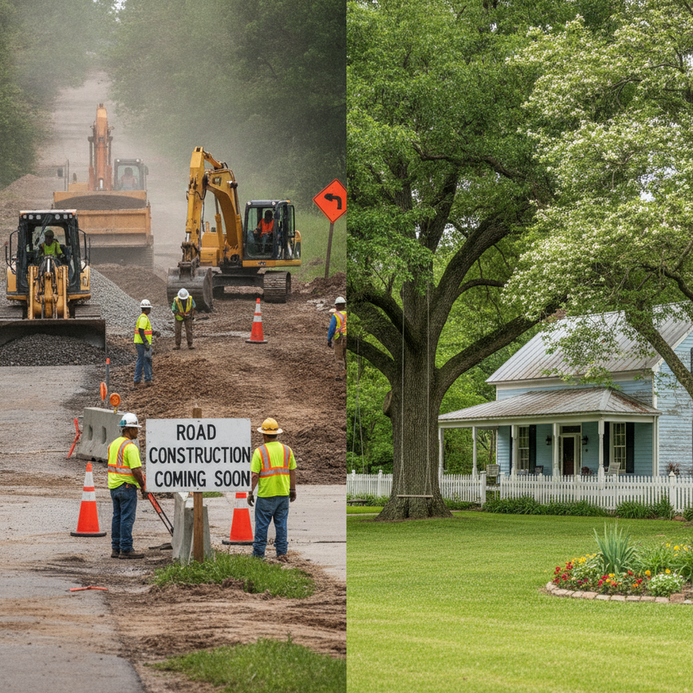
Imagine two neighbors. One’s property is needed for a highway (quick take), and the other’s land is targeted for a new school by a local district (straight condemnation).
The quick take neighbor gets a notice and an estimated payment almost immediately. They have to pack up and leave quickly, even though they’re still fighting for the true value of their land in court.
The straight condemnation neighbor gets a notice but keeps living in their home while the court reviews the case. They have more time to prepare, but it takes longer to see any money or know for sure when they’ll have to move.
Both have rights, but the process shapes their options and their leverage. This is why understanding the Kentucky quick take vs straight process matters so much.
[Featured Image Placeholder]
alt text: A Kentucky property with a “Road Construction Coming Soon” sign, divided to show a fast-moving construction crew on one side (quick take) and a quiet, untouched home on the other (straight condemnation).
AI image prompt: Split view of a Kentucky rural property, one half busy with roadwork and construction vehicles (quick take), the other half peaceful with a home and trees untouched (straight condemnation), clear visual contrast, sunny day, realistic style.
Conclusion
The choice between Kentucky quick take vs straight condemnation changes how quickly you must act, how soon you get paid, and how much power you have to negotiate. If you’re facing government action on your property, don’t go it alone. Contact us to learn more about your options and get help protecting your rights.