Ever wondered what happens if the government wants to use part or even all of your land? In Kentucky, property owners often face two main legal paths: an easement or a full taking. Understanding the difference between a Kentucky easement vs taking is crucial because it impacts your rights, your property’s value, and your next steps. In this post, you’ll learn exactly what sets these two apart, how they might affect you, and what to do if you’re faced with either one.
What Is an Easement in Kentucky?
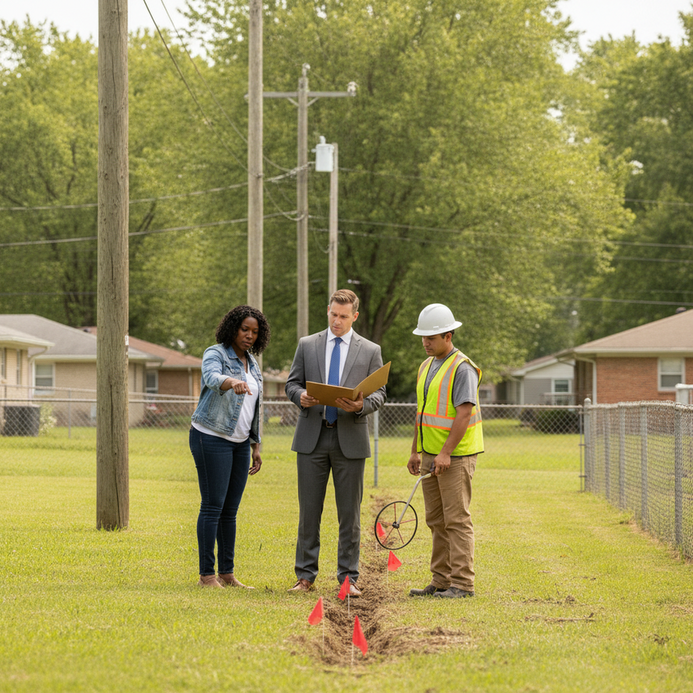
An easement is a legal right for someone else to use a specific part of your property for a particular purpose, even though you still own it. Imagine letting a utility company run power lines across your backyard, or having the city build a sidewalk along the edge of your lot. Easements are common in Kentucky, both in cities and out in the country, and they can be either temporary or permanent.
Easements come in many forms, but they all share one thing: you remain the legal owner of your land, but you must allow the easement holder to use a defined section for the stated purpose. The area and conditions are usually described in detail in legal documents, so there’s no confusion over what’s allowed.
Types of Easements
There are several types of easements you might run into in Kentucky. Here are the most common ones:
- Utility easements: Companies install things like water pipes, gas lines, or power cables. For example, you might see large metal towers running through farmland. Those towers are there because of an easement.
- Road or access easements: These allow people to cross your land to reach another property, like a neighbor whose house is behind yours. If your property blocks their only access, a road easement may be put in place.
- Conservation easements: These are often used to protect forests, wetlands, or historic sites. For instance, you might agree not to build on part of your land so that wildlife or a scenic view is preserved.
With an easement, you keep ownership of your land, but you must allow the easement holder to use the specific area. You can usually keep using the rest of your property as you like, but there might be some restrictions (for example, you can’t build a shed on top of a buried water main).
Temporary vs Permanent Easements
Not all easements last forever. Sometimes, the government or a company only needs access for a limited time, maybe to repair a sewer line or make improvements to a road. These are called temporary easements. Once the work is done, your land goes back to normal use. Permanent easements, on the other hand, last indefinitely. Most utility easements fall in this category.
How Easements Affect Daily Life
If you have an easement on your property, you might notice workers coming onto the land to maintain or repair equipment. You might also find you can’t build fences, plant trees, or make major changes in the easement area. However, you can typically use the rest of your property as you wish, and you can still sell your property (though the easement stays in place).
Usually, you’ll receive some compensation if the easement is created through government action, but this payment is often less than if the whole property were taken. Compensation is meant to cover the loss in value or inconvenience caused by the easement.
What Is a Full Taking?
A full taking, also called a total taking or fee simple taking, happens when the government uses its power of eminent domain to buy all of your property for a public use. This means you lose ownership completely and must move out or give up control. Full takings happen for projects like new highways, schools, or government buildings. The government essentially steps into your shoes as the new owner.
How the Process Works
Here’s how a full taking usually plays out in Kentucky:
- The government identifies your property for a public project and makes an initial offer based on an appraisal of your property’s value.
- You have the right to negotiate the offer or challenge it, often with the help of an attorney or appraiser.
- If you and the government can’t agree, the government can file a lawsuit called a condemnation action to acquire your land. However, they must pay you fair market value as required by law.
The key point is that after a full taking, you no longer have any legal rights to the property. You should receive compensation for the full value, including your house, buildings, and sometimes even for the costs of moving or relocating your business.
What Counts as “Public Use?”
The government can only take property for a public purpose. This usually means things like roads, schools, parks, or utilities. Sometimes, this can include projects that help the local economy or benefit the community in some way. If you believe your property is being taken for a private project, you have the right to challenge it in court.
Partial Takings
Not every taking is all or nothing. Sometimes, the government only needs part of your property. This is called a partial taking. In those cases, you keep the rest but must give up the portion needed for the project. The rules for compensation and your rights are similar to a full taking, but the process can be more complicated.
Kentucky Easement Vs Taking: Core Differences
The main distinction between a Kentucky easement vs taking comes down to who controls the property and what you’re allowed to do with it. With an easement, you still own your land but must share it for a specific reason. With a full taking, the government becomes the new owner, and you lose all control and benefits of the property.
Impact on Your Rights
Let’s break down what this means for you:
Easement:
- You stay the legal owner of the property.
- You can continue to use the property, except for the area covered by the easement and its specific purpose.
- There might be limits on building, landscaping, or making changes in the easement area. For example, you might not be able to build a garage or plant large trees over a buried power line.
- You can still sell your property, but the easement goes with it. Future buyers have to honor the easement, too.
Full Taking:
- You lose all legal ownership of the property.
- You must leave or give up the property entirely.
- You receive compensation for the entire property, not just the part affected by the government’s project.
- Once the process is finished, you have no rights or responsibilities for the property.
Compensation Differences
In a Kentucky easement vs taking situation, compensation is another key area.
For easements, payment usually covers only the value lost due to the easement, not the full property value. For instance, if a utility easement makes it impossible to build a pool in your backyard, you might be compensated for that loss in value, but you won’t be paid for the whole home.
For a full taking, you should receive the property’s fair market value. This includes the value of the land, buildings, and sometimes extra payments for things like moving costs, lost business income, or damages to what remains if only part of the land is taken. Kentucky law requires the government to pay you what your property is truly worth, not just what they want to offer.
Challenges with Compensation
It’s not always easy to agree on what your property is worth. The government will get an appraisal, but you have the right to hire your own expert to make sure you’re being treated fairly. Sometimes, the two sides are far apart, and that’s when negotiations, or even court cases, happen. Don’t be afraid to ask questions or push for a better offer.
How Kentucky Law Handles Easements and Takings
Kentucky law gives the government the right to acquire private land for public use, but also protects property owners’ rights to fair treatment and compensation. Here’s how the law approaches each situation:
Legal Standards for Easements
The government must show a clear public need for an easement, like building utility lines, installing drainage, or creating public walkways. They are required to negotiate with you and offer compensation that reflects the impact on your property. If you disagree with the need for the easement or the amount offered, you can challenge the decision in court.
Sometimes, easements are created by agreement between neighbors or through long use (for example, if someone has crossed your land for years and a court recognizes a “prescriptive easement”). But if the government is involved, you have the right to know exactly what’s planned and to be paid for any loss.
Legal Standards for Full Takings
A full taking has stricter requirements. The government must prove that taking all of your property is necessary for a public project and that there is no reasonable alternative. You have the right to a fair hearing and to challenge the amount offered. Kentucky courts look closely at whether the taking is truly needed and if the offer matches the property’s real value. If the court rules in your favor, the government may have to change its plans or increase its offer.
Notice and Due Process
Whether it’s an easement or a full taking, you are entitled to proper notice. This means you should get official paperwork explaining what is planned, why it’s needed, and how much you’re being offered. You also have the right to a hearing where you can present your side. The process can feel intimidating, but you are not powerless.