Ever wondered what happens if the government wants to take your property? If you’re in West Virginia and facing the possibility of losing your land or building to the government, you’re not alone. Many people are surprised to learn how complex and stressful the process can be. In this guide, you’ll discover how a condemnation attorney in West Virginia can help you protect your rights and fight for fair compensation, one step at a time.
What is Condemnation in West Virginia?
Condemnation is the legal process the government uses when it needs to take private property for public use, like building a highway or a school. This right is called eminent domain. In West Virginia, if your property is in the path of a new road, utility line, or public project, you could receive a notice saying the government wants to acquire it. That’s when things get complicated.
Most people don’t realize they have rights in this situation. The government must follow strict rules, and you have the right to challenge their offer or even the taking itself. That’s why it’s important to talk with an eminent domain lawyer in West Virginia as soon as you get a notice.
Why You Need a Condemnation Attorney in West Virginia
You might think you can handle this on your own, but condemnation law is tricky. The government has lawyers and appraisers working for them. Shouldn’t you have an expert on your side, too? A condemnation attorney in West Virginia knows the process inside and out. They can help you in several critical ways:
- Explaining your rights and the condemnation process in plain language.
- Reviewing the government’s appraisal and offer to see if you’re being shortchanged.
- Gathering evidence to support your case, like hiring independent appraisers or engineers.
- Negotiating with the government’s lawyers to push for better compensation.
- Taking your case to court if a fair deal can’t be reached.
Without expert help, it’s easy to accept less than you deserve or miss important deadlines. An experienced condemnation lawyer in West Virginia makes sure you’re treated fairly at every stage.
How the Condemnation Process Works (Step by Step)
It’s normal to feel overwhelmed when you get a condemnation notice. Here’s a simple breakdown of what usually happens:
- The government sends you a notice of their intent to take your property.
- They provide an initial offer based on their own appraisal.
- You have a chance to respond, negotiate, or challenge the offer.
- If you and the government can’t agree, they may file a lawsuit to take your property.
- The court decides if the taking is legal and how much compensation you should receive.
Every case is different, but the clock starts ticking as soon as you get a notice. That’s why it’s smart to contact an eminent domain attorney in West Virginia right away. They’ll help you understand what’s happening and guide you through the next steps.
What Compensation Are You Entitled To?
One of the most confusing parts of condemnation is figuring out how much money you should get. The law says you’re entitled to “just compensation,” which means the fair market value of your property. But there’s more to it than just the sale price.
A good condemnation lawyer in West Virginia will help you consider:
- The value of the land or building itself.
- The impact on any business operating on the property.
- Costs of moving or relocating.
- Loss of access or changes that hurt your property’s value.
- Any damages to the remaining land if only part is taken.
The government might not consider all these factors in their first offer. That’s why it helps to have someone fighting for every dollar you deserve.
Common Mistakes to Avoid in West Virginia Condemnation Cases
It’s easy to make missteps when dealing with eminent domain. Here are some mistakes people often make:
- Accepting the government’s first offer without question.
- Waiting too long to get legal help.
- Sharing too much information with government representatives without an attorney present.
- Overlooking hidden costs, like moving or lost business income.
- Not challenging a low appraisal.
A skilled eminent domain lawyer in West Virginia can help you avoid these pitfalls. If you’re not sure what to do, reaching out for a consultation is a smart move.
Choosing the Right Condemnation Attorney in West Virginia
Not every lawyer is experienced with eminent domain law. When you’re looking for help, here’s what to look for:
- Focused experience with condemnation and property rights cases.
- Knowledge of West Virginia’s specific laws and court procedures.
- A track record of success negotiating with government agencies.
- Clear communication and a willingness to explain your options.
- A commitment to putting your interests first.
You want someone who will take the time to understand your unique situation. That’s exactly what we do at eminentdomainlawyer.us. Our team is dedicated to helping West Virginia property owners like you get a fair outcome.
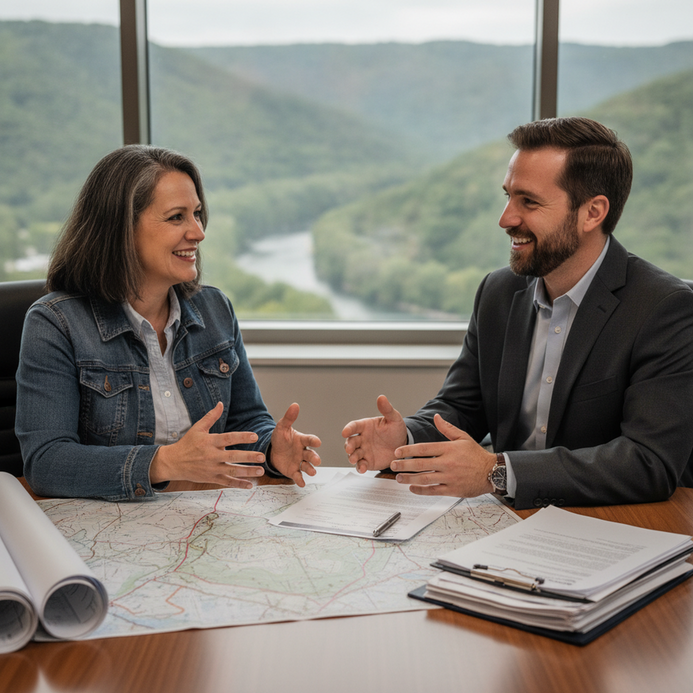
[[IMAGE: A West Virginia property owner meeting with a condemnation attorney, with property maps and legal documents on the table. Prompt: Realistic, friendly consultation scene, Appalachian setting, professional atmosphere.]]
When to Call a Condemnation Attorney
The best time to call an attorney is as soon as you get a notice about the government wanting your property. Don’t wait for things to get complicated or for deadlines to pass. Even if you’re just curious about your rights, a quick call can save you from big headaches later.
We offer personalized advice for property owners at any stage of the condemnation process. Whether you’re facing a first offer or already in court, we’re here to help you understand your options and fight for what you deserve.
Conclusion
Dealing with condemnation in West Virginia can feel overwhelming, but you don’t have to face it alone. A condemnation attorney in West Virginia can help protect your rights and make sure you’re treated fairly. Contact us to learn more.