If you’re a property owner, hearing the words “foreclosure” or “condemnation” can be unsettling. Both can mean losing your home or land, but they’re very different legal processes. Understanding foreclosure vs condemnation is key to knowing your rights and how to respond. In this guide, you’ll learn the main differences, what triggers each process, and how they affect property owners like you.
What Is Foreclosure?
Foreclosure is a legal process that happens when a property owner falls behind on their mortgage payments. The lender, usually a bank, takes steps to reclaim the property and sell it to recover the money owed. It’s a process driven by private contracts between you and your lender, not by government action.
When you first buy a house with a mortgage, you agree to pay back the loan each month. If payments stop, the lender has the right to start foreclosure. This isn’t about government needs or public projects, but rather about private debt. Foreclosure can happen to any property owner with a mortgage, whether it’s a single-family home, a business, or even a farm.
The process usually starts with a notice from your lender. If the payments aren’t brought up to date, the lender can ask the court for permission to sell your property. After the sale, you may have to move out, and your credit score can take a major hit. In some states, you might even owe money if the sale doesn’t cover the full debt.
What Is Condemnation in Eminent Domain?
Condemnation is very different. This process happens when the government wants to take private property for a public use, like building a road, school, or park. It’s part of what’s called “eminent domain”, the government’s right to take private property, as long as the owner receives fair compensation.
Condemnation isn’t about missed payments or private debt. Instead, it’s about the government’s need for land to serve the public. The process starts when a government agency (local, state, or federal) decides your property is needed for a project. You’ll get a notice and an offer to buy your property, usually based on an appraisal.
If you don’t agree to the price or refuse to sell, the government can file a condemnation lawsuit. The court then decides if the taking is for a valid public use and if the compensation offer is fair. You have rights throughout this process, like challenging the need for your property or negotiating for a better price. The law requires the government to pay you what’s called “just compensation”, usually the fair market value of your property.
Foreclosure Vs Condemnation: The Core Differences
It’s easy to get terms mixed up, especially since both can mean losing property. But the difference between condemnation vs foreclosure is huge. Let’s break it down:
-
Who Starts the Process:
Foreclosure is started by a private lender when you default on a loan. Condemnation is started by the government for public use. -
Reason for Action:
Foreclosure is about unpaid debt. Condemnation is about the government needing land for a project. -
Compensation:
In foreclosure, your property is sold to pay your debt. You may or may not get money back, depending on the sale price and what you owe. In condemnation, the government must pay you fair market value, even if you don’t want to sell. -
Legal Rights:
You have different rights in each process. In foreclosure, you may be able to catch up on payments or negotiate with the lender. In condemnation, you can challenge the government’s right to take your property or argue for a higher price. -
Impact on Credit:
Foreclosure usually hurts your credit score. Condemnation does not affect your credit, it’s not related to personal debt.
Understanding these differences can help you know what steps to take if you ever face either situation.
Real-World Examples: How Each Process Works
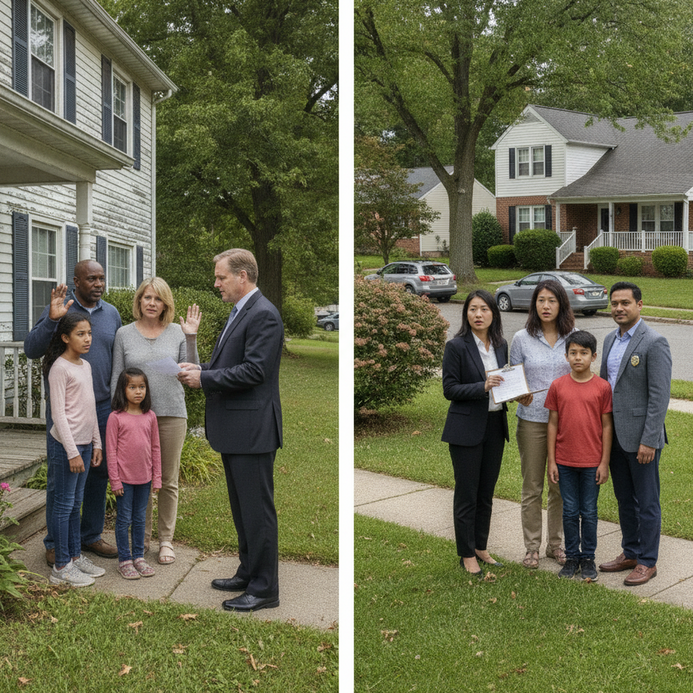
Ever wondered what these processes look like in real life? Here are two examples that show how foreclosure vs condemnation can play out.
Let’s say you own a small home and lose your job. After several months of missed mortgage payments, your bank sends you a notice of default. Despite your efforts, you can’t catch up. The bank files for foreclosure, gets a court order, and your house is sold at auction. The money pays off your loan, and you have to move out. This is foreclosure.
Now imagine you own a corner lot where the city wants to build a new fire station. You’re current on all your payments and don’t want to sell. The city sends you an offer based on an appraisal. You refuse. The city files a condemnation lawsuit. The court reviews the case, and if the project is approved, you receive payment for your property, whether you want to sell or not. This is condemnation in eminent domain.
Both cases end with the owner losing the property, but the reasons and outcomes are very different. That’s why knowing the foreclosure vs condemnation difference matters.
Your Rights as a Property Owner
Whether you’re facing foreclosure or condemnation, you have important legal rights. Knowing these rights can make a big difference in what happens next.
In foreclosure:
- You may have the right to “reinstate” your loan by catching up on missed payments before the sale.
- Some states offer a “redemption period,” letting you buy back your property after the auction.
- You can work with your lender to modify your loan or set up a payment plan.
In condemnation:
- You have the right to receive a written offer and a copy of the appraisal.
- You can negotiate the amount of compensation.
- You can challenge the government’s right to take your property if you believe it’s not for a public use.
- You have the right to a hearing before a judge or jury to determine fair compensation.
If you’re unsure what options you have, talking to a lawyer who understands property law can help you protect your interests. That’s especially true with condemnation, where the government has experienced lawyers on its side.
Why the Difference Matters for You
Understanding foreclosure vs condemnation isn’t just about legal terms. It’s about protecting your home, business, or land. If you’re facing foreclosure, your focus should be on your lender and your loan. If you’re facing condemnation, you’re negotiating with the government, and your rights center on fair compensation and public use.
Each process follows different timelines, rules, and legal protections. Mistaking one for the other can lead to missed opportunities or lost rights. For example, you can’t stop foreclosure by arguing public use, and you can’t fight condemnation by proving you made all your mortgage payments.
If you get a notice about your property, whether from a bank or the government, read it carefully. Don’t ignore it. Each notice starts a clock ticking, and your options may become more limited as time passes.
How Legal Help Makes a Difference
Both foreclosure and condemnation are complicated, but condemnation in eminent domain usually involves more negotiation and legal steps. The government is required to pay you fair value, but what counts as “fair” isn’t always clear. An experienced attorney can help you understand the process, challenge unfair offers, and make sure you get the compensation you deserve.
At eminentdomainlawyer.us, we focus on helping property owners like you when the government comes calling. We explain your rights, walk you through the steps, and fight for fair compensation. Our team knows how to negotiate with government agencies and make sure your voice is heard.
If you’re dealing with foreclosure, we can help you understand your options and connect you with trusted partners who specialize in debt issues. If you’re facing condemnation, we’ll stand by your side from start to finish, making sure your rights are protected every step of the way.
[INSERT IMAGE: A split illustration showing a family receiving a foreclosure notice from a bank official on one side, and a government official presenting a condemnation notice on the other. The setting is a suburban street.]
Conclusion
Losing property is never easy. But foreclosure vs condemnation are very different roads, with different causes and outcomes. Understanding which one you’re facing, and what rights you have, can help you plan your next move. If you’ve received a notice or just want to understand your options, contact us to learn more.