Ever wondered what happens if the government or a utility company wants to use part or all of your land in Nebraska? The answer often comes down to a Nebraska easement vs taking situation. If you’re a property owner, knowing the difference can mean the world for your rights and your wallet. This guide will help you understand how easements and full takings work in Nebraska, what sets them apart, and what you can do to protect yourself if you’re facing either one.
What Is an Easement in Nebraska?
An easement is a legal right for someone else to use a specific part of your property without actually owning it. Think of it as letting a neighbor walk across your yard to get to their mailbox, but on a much bigger scale. In Nebraska, easements often come up when utility companies need to run power lines, water pipes, or roads across private land.
There are several types of easements you might see:
- Utility easements, where power or gas lines cross your property.
- Access easements, which let someone cross your land to reach another property.
- Drainage or pipeline easements, needed for water or oil pipelines.
No matter the type, an easement usually means you still own your land. However, your ability to use it might be limited in some way. For example, you may not be able to build over a pipeline easement or plant big trees that could block power lines.
What Is a Full Taking (Eminent Domain) in Nebraska?
A full taking, also called eminent domain, is when the government takes ownership of your entire property (or a major part of it) for a public use. This could be for building a highway, a school, or a public park. In Nebraska, when a full taking happens, you lose your property completely, not just a small piece or a specific use.
Nebraska law says the government must pay you “just compensation” if they take your property. That means you should be paid what your property is truly worth. But figuring out what is fair can get complicated quickly.
Sometimes, only part of your land is taken, but the piece they take is so important that it makes the rest of your property useless or far less valuable. In those cases, courts may treat it as a full taking.
Nebraska Easement Vs Taking: Key Differences
So, what makes a Nebraska easement vs taking situation different? In short, it comes down to ownership and control.
With an easement:
- You still own your property.
- Someone else has a legal right to use a specific part of it, usually for a certain purpose.
- You may face some restrictions, but you keep most of your rights.
With a full taking:
- The government or agency becomes the new owner.
- You lose rights to the land completely.
- You should receive full compensation for your loss.
The compensation is often different, too. Easement compensation is usually less than for a full taking, because you still own most of the land. But sometimes, an easement can impact your property’s value a lot, especially if it limits your ability to use or sell the land.
When Does an Easement Become a Taking?
This is where things get tricky. Sometimes, what starts as an easement request can look and feel a lot like a taking. If the restrictions of an easement are so heavy that you can’t really use your property anymore, Nebraska law may say it’s a “de facto taking.” That means the court could require the government or agency to pay you as if they’d taken your whole property.
Here are some situations where an easement might cross the line:
- The easement blocks access to your home or business.
- You can’t build, farm, or use the land in any meaningful way.
- The utility or government takes over so much of your land that it ruins the rest of it.
In cases like these, it’s important to talk to a lawyer who understands Nebraska easement vs taking law. You might be entitled to more compensation than you think.
How Are Compensation and Rights Decided?
If you’re facing a Nebraska easement vs taking decision, compensation is probably your biggest question. Here’s how it typically works:
- For an easement, you’ll be offered payment for the loss in value to your property, not for the land itself. The amount depends on how much the easement limits your use or enjoyment.
- For a full taking, you’re supposed to get the fair market value of your property. This is usually based on appraisals and what similar properties have sold for.
It’s not always a simple math problem. Factors like location, future land use, and how much the easement or taking affects your business or home all come into play. Sometimes, you can negotiate for more, especially if you have solid evidence from an independent appraiser or expert.
Nebraska law requires the government to follow certain steps before they can take your land, including giving you notice, offering compensation, and allowing you to challenge the offer in court. If you feel like you’re not being treated fairly, you have the right to push back.
What Should Property Owners Do?
If you get a letter about an easement or a possible taking, don’t panic. Here are some steps you can take to protect your rights and maximize your compensation:
- Read every document carefully. Don’t sign anything right away.
- Get your own appraisal or talk to a real estate expert to understand your property’s true value.
- Consult with an experienced eminent domain attorney who knows Nebraska law. They can spot problems, negotiate better terms, and help you fight for a fair deal.
- Keep a record of every conversation, letter, or visit related to your property. This can be critical if you need to go to court.
Remember, you don’t have to accept the first offer. Many property owners in Nebraska have successfully negotiated better compensation or even stopped a taking that wasn’t really necessary.
Nebraska Easement Vs Taking: Real-Life Examples
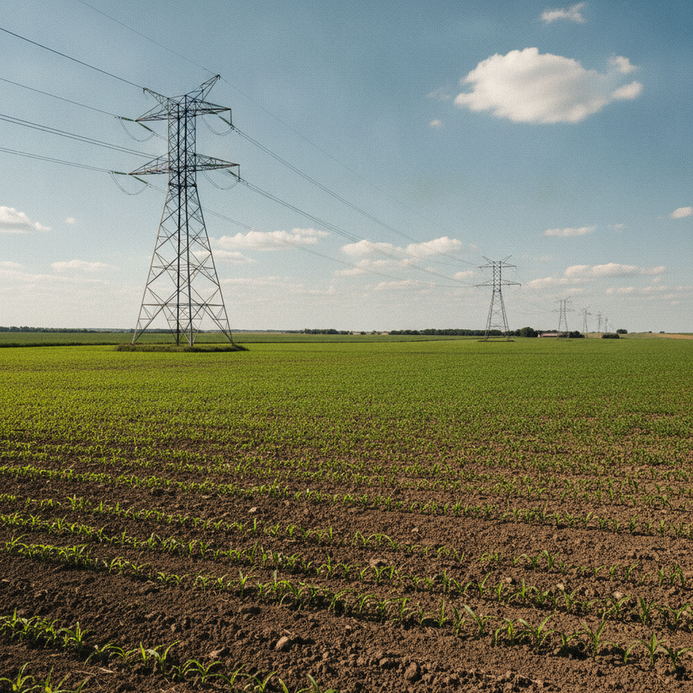
Let’s look at a few situations that highlight the Nebraska easement vs taking difference.
Imagine you own farmland, and a utility company wants to install power lines. They ask for an easement that runs across the middle of your field. Even though you still own the land, you may not be able to farm certain parts, and the lines could make it harder to sell in the future. You deserve compensation for those impacts.
Now imagine the state wants to build a new highway and needs your entire property. That’s a classic full taking. You’ll have to move, and the government must pay you for your home, land, and sometimes additional costs like relocation.
In some cases, an easement might seem small on paper but ends up making your property so hard to use or sell that it feels like a taking. Maybe a pipeline easement cuts your land in half, making it impossible to run your business. In those cases, you may be able to argue for full compensation as if the land was taken outright.
[[Inline image: A Nebraska property with power lines running through a field, showing the visual impact of an easement. Prompt: A sunny Nebraska landscape with power lines crossing a green farm field, emphasizing the effect an easement can have on rural property.]]
Why Getting Legal Help Matters
The laws around taking vs Nebraska easement can get confusing, especially when your property and future are at stake. Many people don’t realize how much power they have to negotiate or challenge what’s being offered. An experienced eminent domain attorney can help you:
- Understand if you’re facing a true easement or a de facto taking.
- Get an independent valuation of your property.
- Negotiate for better compensation or more favorable terms.
- Represent you in court if needed.
At eminentdomainlawyer.us, we work with Nebraska property owners every day to make sure their rights are protected and their voices are heard. If you’re facing a Nebraska easement vs taking situation, don’t go it alone.
Conclusion
Understanding the difference between a Nebraska easement and a full taking is crucial if you own property that’s in the government’s sights. Easements can limit your rights, but full takings mean losing your property altogether. Either way, you deserve fair treatment and just compensation. Contact us to learn more.