Ever wondered what happens if the government wants to use your land for a road, pipeline, or public project? In Missouri, property owners often face two main types of government actions: easements and full takings. Understanding the missouri easement vs taking difference can help you protect your rights and make informed decisions. This guide explains how each works, how they compare, and what you should do if you’re facing either situation.
What Is an Easement in Missouri?
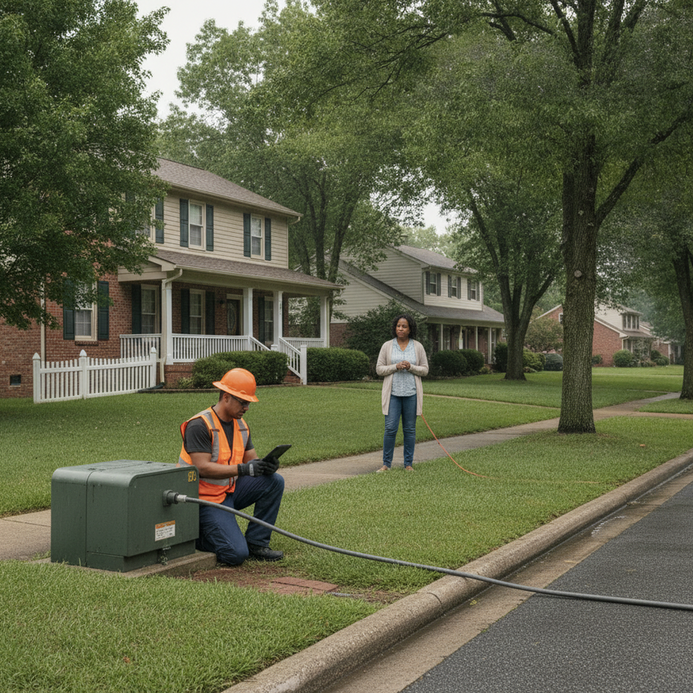
An easement in Missouri is a legal right that lets someone else use part of your property for a specific purpose, without taking full ownership. The most common examples are utility lines, sidewalks, or drainage systems running across private land. If the government or a utility company needs to install something on your property but doesn’t need the whole thing, they may seek an easement.
There are two main types of easements in Missouri:
- Permanent easements let someone use your land forever, even if the property is sold. These are common for things like power lines, sewers, or access roads. If your land has a permanent easement, it stays in place even if you sell your home or business.
- Temporary easements only last for a set time, like during construction or road repairs. Once the project is finished, the easement ends and your land goes back to its original state, at least in theory.
When an easement is placed on your property, you usually keep ownership and can still use the land, but your use might be limited by the terms of the easement. For example, you may not be able to build on top of a buried pipeline or plant trees over a sewer line. It’s not just about what you can’t do, sometimes, regular maintenance workers may have the right to enter your yard to check equipment or make repairs. The value of your property could also be affected, depending on how the easement is used.
Some buyers may be hesitant to purchase property with an active easement, and lenders sometimes consider them when deciding mortgage terms.
Let’s say a city wants to widen a road but only needs a sidewalk along the edge of your yard. Instead of buying your lot, they ask for a permanent easement over a strip of your property. You keep your home, but now that area must always be available for public use.
What Is a Full Taking?
A full taking, sometimes called “fee simple taking,” happens when the government acquires complete ownership of your property. This is the most powerful use of eminent domain, and it means you must give up all rights to the land. The government then uses the property for a public project, such as building a highway, school, or park.
If there’s a full taking, you’ll be required to move out, and your property will no longer be yours in any way. The government must pay you “just compensation,” which is supposed to be the fair market value of your property. But figuring out what’s fair can be complicated, and many property owners find the government’s first offer is lower than expected.
Here’s a real-world example: If Missouri plans to build a new highway that runs directly through your house, they’ll likely pursue a full taking. You won’t just lose a piece of your yard, you’ll lose your home, garage, and everything on the property. The compensation you receive is meant to help you buy a comparable property elsewhere, but it may not fully cover your emotional loss or the hassle of moving.
Sometimes, a taking doesn’t involve the entire property. In those cases, it’s called a “partial taking.” The government only takes the part they need, but you may still lose access to some parts of your land or see your property value drop. Even a partial taking can be more disruptive than an easement, depending on what’s left.
Missouri Easement Vs Taking: Key Differences
Let’s break down the missouri easement vs taking comparison so you can see what each means for you as a property owner.
Ownership: With an easement, you keep ownership of your property. With a full taking, you lose ownership completely and the government gets the title to the land.
Use of Property: An easement lets you keep using your land, but with certain limits (like not building on the easement area or letting others access it for maintenance). A taking means you must leave and can’t use the land at all.
Compensation: Both easements and takings require the government to pay you, but the amount and process can be very different. Easement compensation is usually less than for a full taking, but it depends on how much your property is affected. In Missouri, the law requires “just compensation,” but what’s considered “just” often becomes a point of debate.
Permanence: Easements can be permanent or temporary. A full taking is permanent and final. Temporary easements expire after a certain period, but permanent easements last as long as the need exists, sometimes forever.
Impact: Easements often affect just a portion of your property. Full takings involve the entire property. Sometimes, a partial taking can feel almost as disruptive as losing your entire property, especially if it cuts off access or damages the remaining land’s value.
Let’s revisit our earlier examples to make this real. If a city needs to run a water line through your backyard, they might only need an easement. You’ll still own your house, but there will be a strip out back where you can’t build, and workers might show up from time to time. But if they’re building a new school where your house stands, that’s a full taking. You’ll need to move, and you won’t be able to come back.
How Does the Process Work in Missouri?
Whether it’s an easement or a full taking, the government must follow certain steps in Missouri. Understanding this process can help you protect your rights and improve your outcome.
-
Notice: You’ll get a formal notice that the government wants to use your property. This usually arrives as a certified letter explaining what’s planned and what part of your land is involved. It’s the official start of the eminent domain process.
-
Negotiation: The government makes an offer, often based on their own appraiser’s estimate. You do not have to accept the first offer. In fact, many property owners find the initial amount is lower than what their property is truly worth. You can negotiate or seek advice from a lawyer to understand your options.
-
Appraisal: Both sides may bring in independent appraisers to figure out the property’s value. This is especially important if there’s a big difference between what the government offers and what you believe is fair. It’s a good idea to get an appraisal from someone who understands local property values and how easements or takings affect them.
-
Court Action: If you don’t agree on compensation, the government can file a court case to take the property and decide payment. In Missouri, a group of local landowners, called “commissioners”, is sometimes appointed by the court to decide how much you should get. If you still disagree, you can appeal for a jury trial.
With easements, this process can be quicker and less disruptive than a full taking. But both options can be stressful if you’re not sure of your rights. Having an experienced attorney can make a big difference in protecting your interests.
A practical example: Suppose there’s a proposed power line project. The utility company sends you a notice about a permanent easement for a high-voltage line. You disagree with their price. You hire an appraiser, then negotiate. If you still can’t agree, the company may ask the court to decide, just like in a full taking case. The main difference is whether you keep any rights to your property after the process ends.
Missouri Easement Vs Taking: Which Is Better (or Worse)?
There’s no simple answer, because it depends on your goals and how the project affects your land. Here’s how to think about the missouri easement vs taking difference:
Easements are less disruptive if you want to keep your property. You may be able to keep living or working there, but you might have to deal with construction, limits on what you can do, or lower property values. For example, if a pipeline runs under your farm, you can keep farming, but maybe not plant deep-rooted crops or put up buildings near the easement. Some people find this manageable, while others see it as a major burden.
Full takings mean you lose your property, but you may get more money and a clean break. This can be better if your property will be heavily impacted by the project and staying isn’t practical. For instance, if road construction will leave your home next to a noisy highway, some owners would rather relocate than live with the disruption, even if they lose a beloved home.
Some property owners prefer to negotiate for a full taking if an easement would damage their property’s value or use. Others prefer an easement because they want to stay. Every situation is unique, so it’s important to get advice before making decisions.
A few questions to ask yourself:
- Will the easement make it hard to use or sell my property later?
- Is the compensation for an easement enough to cover any drop in value?
- Would a full taking actually be less stressful in the long run?
- Are there ways to limit the impact of an easement through negotiation?
Talking these questions over with a lawyer can help you decide what’s best for your situation.