If you own land in West Virginia, you might have heard about pipeline companies wanting access to private property. West Virginia pipeline easement condemnation is a legal process that lets certain companies take part of your land to build pipelines, sometimes even if you say no. This guide will help you understand what that means, what your rights are, and how you can protect yourself if you’re facing a pipeline easement on your property.
What Is Pipeline Easement Condemnation?
A pipeline easement is a legal agreement that gives a company the right to use part of your land for a pipeline. You still own the land, but the company controls how that part is used. Condemnation, in this case, means the company is using the power of eminent domain to force the easement if you don’t willingly agree.
In West Virginia, pipeline easement condemnation usually happens when natural gas or oil companies need to run pipelines across several properties. If you and the company can’t agree on the terms or payment, the company may ask a court to grant the easement. This process can feel overwhelming, but knowing what’s involved helps you make better decisions.
Who Can Take a Pipeline Easement in West Virginia?
Not every business can take land by eminent domain. In West Virginia, only certain companies, like regulated utility companies or those with government approval, have the legal right to seek pipeline easement condemnation. They must show that the project serves a “public use,” such as delivering energy to homes or businesses.
You might get a letter, a phone call, or even a formal notice from a pipeline company or their legal team. It’s important to know that receiving such a notice does not mean you’ve already lost your rights or your land. It’s the start of a process, not the end.
What Are Your Rights as a Property Owner?
If you’re facing west virginia pipeline easement eminent domain, you have rights. The law says you must be treated fairly and offered compensation for any land taken or affected. You also have the right to challenge the need for the easement or negotiate the terms.
Here are some key rights you should know:
- You must receive written notice before any legal action can begin.
- You can negotiate the amount of money offered for the easement.
- You can get your own appraisal or legal advice before making decisions.
- You have the right to a court hearing if you and the company can’t agree.
Many people don’t realize they can negotiate more than just the payment. You can also ask for protections, like limits on when construction happens, requirements to restore your property, or restrictions on what the company can build.
The Pipeline Easement Condemnation Process
The process for west virginia pipeline easement condemnation typically follows several steps. Here’s what you can expect:
- The company contacts you to discuss the project and make an offer.
- If you can’t reach an agreement, the company files a condemnation lawsuit in court.
- You receive a formal notice about the legal action.
- Both sides may present appraisals and evidence about the property’s value and the impact of the easement.
- If there’s no agreement, a judge (and sometimes a jury) decides whether the easement is allowed and how much you should be paid.
Throughout this process, you have the right to legal representation. Having an experienced west virginia taking attorney can make a big difference in the outcome.
How Is Compensation Decided?
Figuring out fair compensation is one of the most important parts of the process. West Virginia law says you should be paid the difference between your property’s value before and after the easement. This is called “just compensation.”
Several factors can affect the amount you’re offered:
- The size of the easement
- The type of pipeline (natural gas, oil, water)
- How the pipeline affects your ability to use the rest of your land
- Damages to crops, landscaping, or buildings
For example, if a pipeline runs through a pasture you use for cattle, you might be paid not just for the land but for how it affects your farming. If the easement lowers your property value for future buyers, that should be considered too.
Common Mistakes Property Owners Make
Facing a condemnation action can be stressful. Many people make decisions too quickly out of fear or confusion. Here are a few common mistakes to avoid:
- Signing documents before fully understanding them.
- Accepting the first offer without getting an independent appraisal.
- Assuming the company’s offer is non-negotiable.
- Not consulting with a west virginia condemnation help attorney.
It’s always a good idea to take your time, ask questions, and seek advice from professionals who know the process.
Why Legal Help Matters
The law around west virginia pipeline easement condemnation is complex. Companies have teams of lawyers and experts on their side. Having someone experienced on your side can help level the playing field.
A skilled eminent domain attorney can:
- Review and explain any paperwork you receive.
- Negotiate with the pipeline company for better terms and higher compensation.
- Represent you in court if needed.
- Protect your rights every step of the way.
You don’t have to go through this alone. Getting help early can save you time, stress, and money down the road.
Image Placeholder
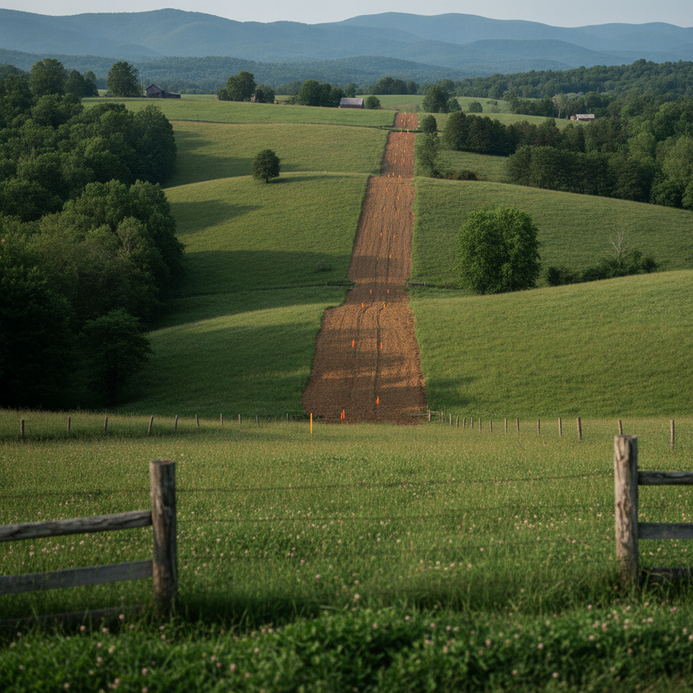
A professional photograph of a rural West Virginia property with a visible natural gas pipeline crossing the landscape. The scene should show rolling hills, pasture, and a mix of open land and trees, with the pipeline clearly marked or visible. The image should be realistic and inviting, giving a sense of the region’s natural beauty and the typical setting for pipeline easements.
Conclusion
Pipeline easement condemnation in West Virginia can be confusing and intimidating. But you have rights, and there are ways to protect your property and financial interests. If you’re facing a pipeline easement issue, don’t wait to get help. Contact us to learn more.