Ever wondered what happens if the government decides it needs your land for a road or utility project? You’re not alone. This West Virginia eminent domain FAQ covers the key questions property owners have about their rights, the process, and what to do if you’re facing condemnation. Let’s walk through what you need to know so you can protect your property and make informed decisions.
What Is Eminent Domain in West Virginia?
Eminent domain is the legal power the government has to take private property for public use. In West Virginia, this can mean your land might be needed for things like highways, pipelines, schools, or even parks. But the government can’t just take your land for any reason. The law requires that the project truly serves the public and that you get fair compensation.
The process usually starts with a notice to the property owner. If you own a home, business, or land, and you’ve received a letter about eminent domain, it’s important to understand your rights and options from the start.
How Does the West Virginia Eminent Domain Process Work?
The steps in a West Virginia condemnation case are designed to give both the government and property owner a chance to be heard. Here’s what you can expect:
- The government identifies the property needed for a public project.
- The property owner receives a formal notice, often called a “Notice of Condemnation.”
- The government makes an offer, this should be based on an appraisal of your property’s value.
- If you accept the offer, you’ll sign paperwork and receive payment.
- If you don’t agree, you can negotiate or challenge the offer. This may lead to a court case.
Along the way, you have the right to get your own appraisal and legal advice. Many owners find it helpful to work with a lawyer who knows West Virginia eminent domain law to make sure their rights are protected and they get a fair deal.
What Counts as ‘Public Use’ in West Virginia?
Not every project qualifies as public use. In West Virginia, public use usually means something that benefits the community, like building a new school, widening a road, or installing utilities. The law is strict about this. Private companies can sometimes use eminent domain, but only if their project truly serves the public, think of energy companies building a pipeline or a utility company running power lines.
If you’re not sure whether the project affecting your land really counts as public use, it’s a good idea to ask questions. Sometimes, projects are challenged in court if the public benefit isn’t clear.
How Is Compensation Decided?
The law says you must receive “just compensation”, in other words, a fair price for your property. But what does that mean? Usually, it’s based on the market value of your property as if you were selling it today. This can include your land, any buildings, and sometimes losses to the value of what’s left if they only take part of your property.
Here’s how compensation is typically handled:
- The government hires an appraiser to estimate your property’s value.
- You can (and should) get your own independent appraisal.
- If you and the government don’t agree, you can negotiate. If talks stall, you can take the case to court, where a judge or jury will decide the amount.
Don’t feel pressured to accept the first offer. Many property owners get more compensation by asking questions, negotiating, or working with a lawyer who’s experienced in West Virginia condemnation cases.
Can I Challenge Eminent Domain in West Virginia?
Yes, you can challenge both the right to take your property and the amount being offered. If you believe the project isn’t really for public use, or the offer isn’t fair, you have options:
- File a formal objection with the court.
- Present evidence about the purpose of the project or the value of your property.
- Work with an attorney who can help you gather appraisals, expert opinions, and make your case.
Keep in mind, there are strict deadlines for challenging eminent domain actions in West Virginia. If you wait too long after getting your notice, you might lose your right to object. So, it’s smart to act quickly if you want to challenge the process or the amount offered.
Common Reasons People Challenge Eminent Domain
Some property owners fight back because they think the project isn’t really public, or because the compensation isn’t enough. Others challenge mistakes in how the process was handled. Every situation is unique, so it’s important to get advice that fits your case.
What Should I Do If I Get an Eminent Domain Notice?
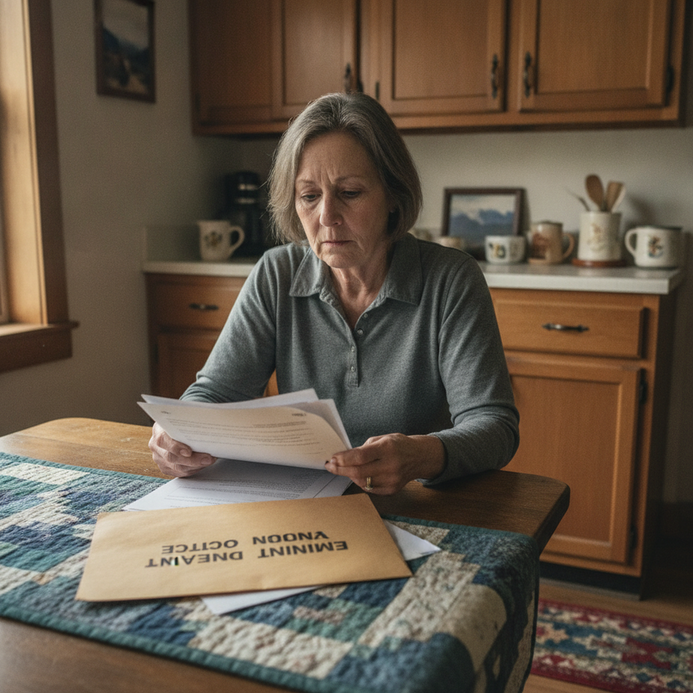
If you’ve received a notice or offer related to eminent domain, here’s a simple plan:
- Read the notice carefully. Don’t ignore it.
- Write down any questions or concerns you have about the project or the offer.
- Contact a lawyer who focuses on eminent domain cases in West Virginia. Many offer free consultations.
- Consider getting your own property appraisal.
- Respond within any deadlines listed in your notice.
You don’t have to face the process alone. A lawyer can explain your rights, help you negotiate, and make sure you’re treated fairly.
[[insert image: A homeowner in West Virginia looking over official papers at a kitchen table, with a worried expression, and a letter marked ‘Eminent Domain Notice’ visible. AI prompt: A middle-aged West Virginia homeowner sitting at a kitchen table, reviewing official documents. The homeowner looks concerned. On the table is an envelope labeled ‘Eminent Domain Notice.’ The setting is a modest home interior, with Appalachian decor. Realistic style, natural light.]]
Where Can I Find More West Virginia Eminent Domain Answers?
You probably have more questions than just the basics. Every case is different, and the stakes are high when it comes to your home or business. Some common questions include:
- Can the government take my property if I don’t agree to sell?
- What happens if only part of my land is taken?
- How long does the process take?
- Do I have to move right away?
For clear, personalized answers, it helps to talk to a legal professional who knows West Virginia condemnation law. Many law firms, like eminentdomainlawyer.us, focus on helping property owners just like you. They can review your situation, explain your options, and guide you step by step.
Conclusion
Facing an eminent domain notice in West Virginia can be stressful, but you don’t have to go through it alone. Understanding your rights and the process is the first step to making sure you’re treated fairly and receive proper compensation. Contact us to learn more about how we can help you protect your property and your future.