Ever wondered what happens when a pipeline company wants to use part of your land in Wisconsin? If you’ve received a notice about a Wisconsin pipeline easement condemnation, you’re not alone. Many property owners are surprised to learn that companies can use eminent domain to take land for pipelines. If this is happening to you, it’s important to understand your rights, the process, and what you can do next. In this guide, we’ll break down how pipeline easements work, what “condemnation” really means, and steps you can take to protect yourself and your property.
What Is a Pipeline Easement?
A pipeline easement is a legal agreement that gives a company permission to use a specific strip of your land to build, maintain, or operate a pipeline. You still own your property, but the pipeline company gets certain rights to use part of it. Usually, this means you can’t build in that area or plant trees that might damage the pipeline.
Easements often last for decades or even permanently. They can affect property value and future uses of your land. If you’re facing a Wisconsin pipeline easement eminent domain case, it means a company wants to use the law to force an easement if you don’t agree to their terms.
How Do Pipeline Easements Affect Landowners?
For property owners, a pipeline easement can mean:
- Loss of control over parts of your property.
- Restrictions on how you use the land within the easement.
- Ongoing access for pipeline workers and equipment.
- Potential impacts on property value and resale.
It’s normal to feel concerned or frustrated. But you do have rights in this process.
What Is Eminent Domain and Condemnation in Wisconsin?
Eminent domain is the power of the government, or companies working with the government, to take private property for public use, like highways or pipelines. Condemnation is the legal process used for this taking. In Wisconsin, companies that want to build pipelines can sometimes use eminent domain if they can’t reach an agreement with the landowner.
Here’s how the process usually works:
- The pipeline company tries to negotiate an easement with you, offering payment.
- If you don’t agree, the company may start condemnation proceedings.
- You’ll get official notice, and the case may go to court.
You have the right to challenge the taking, negotiate the terms, and demand fair compensation. That’s why understanding Wisconsin condemnation help options is so important.
The Wisconsin Pipeline Easement Condemnation Process
Let’s walk through what you can expect if you’re facing a pipeline easement condemnation in Wisconsin.
Step 1: Notice and Negotiation
The process starts when you receive a notice from the pipeline company. They’ll usually explain their project and ask for permission to use a strip of your land. You don’t have to accept their first offer. Negotiation is allowed, and often expected.
Step 2: Independent Appraisal
It’s a good idea to get your own appraisal of your property, especially the part that would be affected by the easement. The company’s offer may not reflect the true value, and an independent appraiser can help you understand what’s fair.
Step 3: Formal Condemnation Proceedings
If you and the company can’t agree, the company may file for condemnation. You’ll get an official notice and the chance to present your case in court. This is when a Wisconsin taking attorney can be especially helpful, guiding you through the legal steps and making sure your rights are protected.
Step 4: The Hearing and Compensation
A court or commission will look at the case and decide if the easement is allowed. If it is, they’ll determine how much compensation you should receive. You can present evidence and argue for higher payment if the offer is too low.
Your Rights as a Wisconsin Property Owner
Many property owners don’t realize they have important rights in the condemnation process. Knowing these can help you make better decisions and protect your interests.
Right to Fair Compensation
The law says you must be paid fair market value, not just for the land used, but also for any loss in value to the rest of your property. This is true even if the company only takes a small strip for the pipeline.
Right to Challenge the Taking
If you think the project isn’t truly needed, or if the company hasn’t followed the rules, you can challenge the condemnation in court. This doesn’t always stop the project, but it can lead to better outcomes for you.
Right to Legal Representation
You don’t have to face this process alone. An experienced Wisconsin taking attorney can explain your options, help you negotiate, and represent you in court if needed. Many attorneys in this field only get paid if you win more than the company’s original offer.
Common Questions about Pipeline Easements and Condemnation
You probably have a lot of questions. Here are some of the most common concerns property owners have.
Will I Lose My Entire Property?
Most pipeline easements only affect a strip of land, not your whole property. But the easement may limit what you can do with that area forever.
Can I Say No to the Easement?
You can refuse the company’s offer, but if they have eminent domain authority, they may still get the easement through condemnation. Negotiating the best terms and compensation is your strongest option.
How Long Does the Process Take?
It varies. Sometimes agreements happen in a few months. If the case goes to court, it can take a year or more.
Should I Sign Anything?
Don’t sign any documents from the pipeline company until you’ve talked with a lawyer. Once you sign, you may give up important rights.
Protecting Yourself During a Wisconsin Pipeline Easement Condemnation
If you’re facing a Wisconsin pipeline easement condemnation, here are some practical steps to take:
- Read everything the company sends you carefully.
- Don’t rush to accept the first offer or sign documents.
- Get your own appraisal and evidence of property value.
- Talk to a Wisconsin condemnation help attorney before making decisions.
- Keep records of all communications and offers.
These steps can help you stay in control and make sure you’re fairly treated.
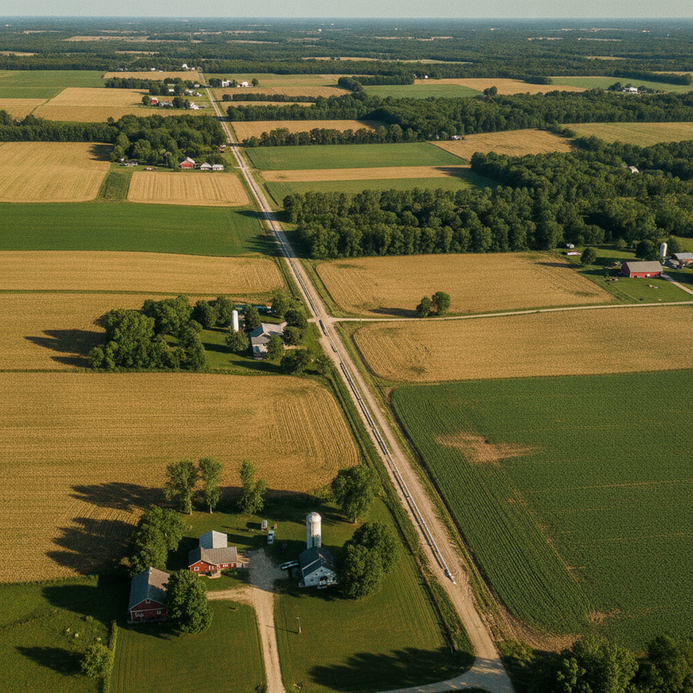
[IMAGE: Aerial view of farmland with a visible pipeline easement corridor, showing the impact on Wisconsin rural property. Realistic, legal context, sunny day.]
Conclusion
Dealing with a Wisconsin pipeline easement condemnation can feel overwhelming, but you don’t have to tackle it by yourself. Understanding your rights and the process is the first step to protecting your property and getting fair compensation. If you’re facing a pipeline easement or have questions about condemnation, contact us to learn more.