Ever wondered what happens if the government or a utility company wants to run a power line across your property in Wisconsin? You’re not alone. Many landowners are surprised to learn they could be affected by Wisconsin transmission line eminent domain. In this guide, you’ll find out what eminent domain means for utility and transmission line projects, your rights as a property owner, and steps you can take to protect yourself and get fair compensation.
What Is Eminent Domain for Transmission Lines?
Eminent domain is the process where the government, or sometimes a utility company, can take private property for public use. In Wisconsin, this often happens when new transmission lines are built to carry electricity across long distances. If your land is in the path, you might receive a letter or notice saying part of your property will be acquired.
But what does this really mean? Essentially, you don’t have to agree for the process to move forward. The law allows these entities to take land if it’s truly needed for a public project. The catch is, they must pay you “just compensation”, a fair amount for what’s taken.
How the Wisconsin Transmission Line Eminent Domain Process Works
If you receive notice about a transmission line project, here’s what you can typically expect:
- Initial Contact: The utility company or government agency will reach out, often with an offer to buy the piece of land needed. They might ask for permission to survey your property.
- Appraisal: They’ll usually hire an appraiser to estimate the value of the section they want.
- Formal Offer: You’ll get a written offer, based on the appraisal, explaining what they’ll pay for the land or easement.
- Negotiation: You can negotiate. If you think the offer is too low, you can present your own evidence or get your own appraisal.
- Condemnation: If you can’t agree, the agency can start a legal process called condemnation. This doesn’t mean your property is “condemned” as in unsafe, but rather, it’s the legal term for taking property under eminent domain.
- Court Decision: If it goes to court, a judge or jury will decide how much compensation you should get.
Throughout this process, you have rights, and it’s smart to get advice from someone who knows Wisconsin condemnation help inside and out.
What Rights Do Wisconsin Property Owners Have?
It’s easy to feel powerless when you get a notice about Wisconsin transmission line condemnation, but you have important rights. Here’s what you should know:
- You have the right to fair compensation. This isn’t just for the land taken, but also for damages to what remains, if any.
- You can hire your own appraiser to provide a second opinion on value.
- You can negotiate the offer. Many people accept the first offer, but it’s often possible to get more.
- You can ask questions and request all documents related to the project and appraisal.
- You have the right to legal representation. An attorney who focuses on eminent domain can help protect your interests, explain your options, and guide you through negotiations or court if needed.
How Is Compensation Calculated?
The idea of “just compensation” is simple, but the details can get complicated. In Wisconsin, compensation for transmission line takings is based on the fair market value of the land or easement being acquired. But there’s more to consider.
If only part of your property is taken, you might also be entitled to payment for damages to the rest of your land. For example, if a new transmission line makes it harder to use your driveway or impacts your view, those losses can be part of your claim.
It’s not just about the price per acre. You can also be compensated for:
- Loss of access
- Reduced value to the remaining property
- Costs to move fences, landscaping, or structures
- Harm to business operations, if you run a farm or company on the land
A Wisconsin taking attorney can help you document these impacts and build a stronger case for full compensation.
What Should You Do if You Get a Notice?
If you get a letter or call about a transmission line project, don’t panic. Here’s a roadmap for what to do next:
- Read all documents carefully. Don’t sign anything right away.
- Contact an attorney who specializes in Wisconsin condemnation help. The sooner you get advice, the better your chances of a good outcome.
- Consider getting your own appraisal. This gives you a second opinion and a starting point for negotiations.
- Keep detailed records. Save all letters, emails, and notes about conversations.
- Think about the long-term impacts. Will the project affect your use of the land, your privacy, or your enjoyment of your property?
Having the right support can make the process much less stressful and help ensure you’re treated fairly.
Why Legal Help Matters
Navigating Wisconsin transmission line eminent domain alone can be overwhelming. The rules are complex, and utility companies have experienced teams working for them. Having an attorney levels the playing field. A knowledgeable lawyer can:
- Explain your rights and what to expect at each step
- Review offers and appraisals for fairness
- Negotiate directly with the utility on your behalf
- Represent you in court if needed
- Help maximize your compensation, including for losses you might not realize you can claim
Many lawyers in this area offer free consultations, so you can get advice before making any big decisions. At eminentdomainlawyer.us, we’ve helped property owners across Wisconsin protect their rights and get the compensation they deserve.
Common Questions about Transmission Line Takings
Can I refuse to let them build on my land?
You can refuse the offer, but if the project is approved and meets legal requirements, the utility or government can still acquire your land through the condemnation process. That’s why it’s important to focus on protecting your rights and getting fair compensation.
How long does the process take?
It varies. Some projects are resolved in a few months, while others may take a year or more, especially if they go to court. The sooner you get help, the more control you’ll have over the timeline.
Will I owe taxes on the compensation?
Possibly. The money you receive may be subject to capital gains tax, depending on your situation. It’s a good idea to talk with both your attorney and a tax advisor before accepting any payment.
[Inline Image]
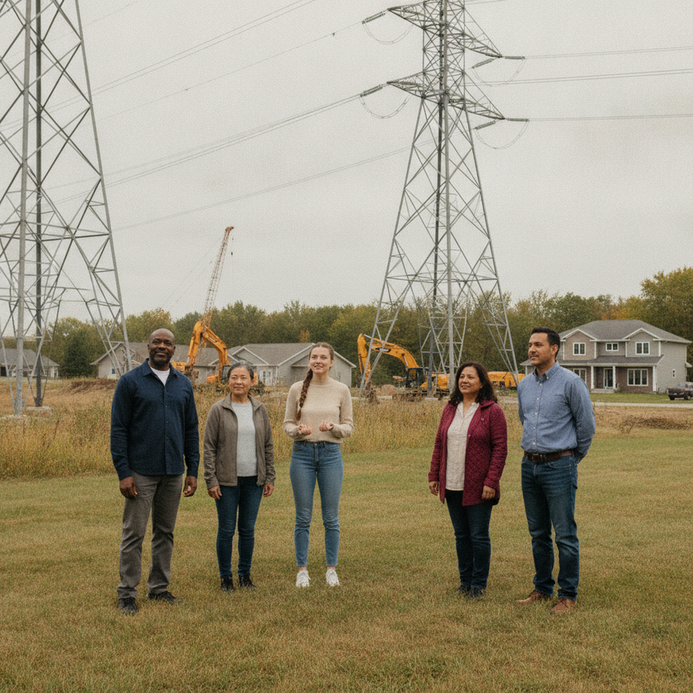
A group of Wisconsin homeowners standing together in front of their property with visible power lines being constructed in the background. The mood is determined yet hopeful, representing community and resilience.
AI image generation prompt: “A diverse group of Wisconsin property owners standing united on a grassy field, new transmission towers under construction behind them. Natural lighting, photojournalistic style, clear expressions of concern and resolution.”
Conclusion
Facing Wisconsin transmission line eminent domain is never easy, but you don’t have to go it alone. Knowing your rights and getting expert help can make all the difference in protecting your property and your future. Contact us to learn more.